Skin profile
Where this herb sits in skin practice: the pattern it corrects, the skin signs it suits, and what it should not be used for.
Tu Si Zi is a slow, gentle builder, chosen for skin that has thinned and lost colour through depletion rather than for anything inflamed. Its other identity is practical: a tiny seed that is easy to adulterate, and a pale patch that needs a diagnosis before it needs a tonic.
Skin signs that suggest it
- Pale, sharply defined patches where pigment has gone, with no scale, no itch and normal sensation (vitiligo)
- Dry, dull, thin skin in a person who is tired, with a weak low back and cold hands and feet
- Mottled brown patches on the cheeks and forehead in a depleted person, worse after sun (melasma)
- Itch in older skin at night, with dry eyes, a dry mouth and a sore lower back
- Sallow complexion, slow-healing grazes and frequent pale urine, with a pale tongue and a fine weak pulse
When it is not the right herb
Not for damp-heat skin: red, greasy, weeping or crusted lesions with a yellow coating, or an itch that worsens in humidity. Not for Yin deficiency with fire, where the sweating at night, the flushes, the thirst and a red, scantily coated tongue say that even mild warmth will feed the heat. Not for constipation with dry stools, scanty dark urine or persistent erection, which the classical texts list as reasons to hold back. Not for a pale patch that has not been examined, for a mole that is changing, or for vitiligo that is spreading quickly, which needs dermatological care. And not as a substitute for sun protection in vitiligo, where unprotected exposure burns the pale skin and darkens the rest.
What it does for skin
Skin-relevant actions only. Each one describes a mechanism in TCM terms and what it looks like on the skin.
Fills the reserve the skin draws on
Essence in this framework is the deep material behind growth, repair and the colour and substance of tissue. Where it is low the skin does not so much break out as thin out: it is dry, dull and slow to heal, and the person is tired, with a weak lower back and cold limbs. The seed is described as filling that reserve gently, without the heat of the stronger Yang tonics, which is why it can be continued through a slow problem. The change, if it comes, is measured in months.
Nourishes the Liver so colour and moisture return
The Liver stores Blood, and the tradition gives it the skin's nourishment, so a Liver and Kidney deficiency is read as colour that fades and moisture that dries up together. The seed enters both organs, and it is used with Gou Qi Zi and Du Zhong where the picture includes dry eyes, blurring and a sore back. It is a supporting herb in that formula, not a treatment for the patch on its own.
Used externally, it is dabbed on pale patches
The traditional external form is a tincture: the crushed seed is steeped in alcohol for about a fortnight and the liquid is applied to the pale areas. Its place in vitiligo practice rests on the Kidney and Liver reasoning rather than on any trial, and it is used alongside treatment, sun protection and cover. The alcohol itself stings broken or inflamed skin, and an area that blisters or spreads has to be reviewed rather than treated harder.
Settles the itch of depleted skin instead of dispersing it
Itch in dry older skin is read as Wind raised by a lack of nourishment, and the treatment is to supply rather than to drive out. The seed is used in that nourishing role with blood-building and Yin-adding herbs. It works slowly, and the practical measures still carry most of the benefit: shorter and cooler washing, a thick unperfumed emollient, and a check for the medical causes of persistent itch.
Skin conditions it is used for
Mapped to the condition pages on this site. The pattern column shows what the skin is doing when this herb is the right choice.
| Condition | Pattern | Why it suits | Typical setting |
|---|---|---|---|
| Vitiligo | Kidney and Liver Yin deficiency: pale patches with a weak back, dizziness and dry eyes | Patches of lost colour in a depleted person, with a sore lower back, dizziness, dry eyes and a fine pulse, are read as a supply failure rather than a surface disease. The seed is used to fill the Kidney and Liver, both internally and as a tincture on the patches, and it is one herb in a formula that usually includes other tonics and a blood-moving element. Honesty is needed: no treatment reliably restores pigment, sun protection prevents burning, and a changing lesion needs review. | A modified Liu Wei Di Huang Wan with Tu Si Zi |
| Melasma | Kidney and Liver Yin deficiency with a dusky, dry-toned patch | Melasma in a depleted person, with a dusky or grey-brown tone, a dry mouth, night heat and a sore back, is read as Yin that is not reaching the face. The seed supports the Kidney and Liver while blood-moving herbs address the stasis that keeps the patch fixed. It is an adjunct and the effect is slow: sun protection and a broad-brimmed hat do more than any single herb, and a rapid change in pigmentation needs assessment. | A modified Liu Wei Di Huang Wan with Tu Si Zi and Dang Gui |
| Senile pruritus | Liver and Kidney Yin deficiency with wind-dry itch | Itch in later life, worst on the shins and at night, with night heat, dry eyes and a sore back, is read as Yin too low to moisten the skin, which then feels a Wind moving through it. The seed adds to the tonifying part of the formula while itch-settling herbs handle the surface. It is not a fast treatment, and persistent itch with weight loss, jaundice or a new rash needs medical review rather than a tonic. | A modified Dang Gui Yin Zi with Tu Si Zi and Bai Ji Li |
| Skin dryness | Qi and Yin deficiency: dry, thin skin with tiredness and a weak pulse | Dryness with fatigue, a pale or slightly dry tongue and a pulse that is fine and weak is read as Qi and Yin falling together, which is a picture the seed suits because it is sweet and gently warming as well as moistening. It is given with Spleen-supporting and fluid-generating herbs. Dryness from cold weather or over-washing is a different problem, and an inherited skin disorder needs dermatological care. | A modified formula with Tu Si Zi, Mai Men Dong and Bai Zhu |
Combinations for skin
Herbs it is paired with when the skin, not an internal organ, is the target.
| Partner | Ratio | Why the pair is used |
|---|---|---|
| Gou Qi Zi | 10 to 15 g each | Goji berry nourishes Liver and Kidney Yin and Blood, and the dodder seed supplies the same organs from the Yang side while holding what leaks away. The pair is used where a depleted person has dry eyes, a sore back and dry, dull skin, and neither herb is strong enough to cause trouble over months. It is a base to build a longer formula on. |
| Du Zhong | 10 to 15 g each | Eucommia strengthens sinew and bone and steadies the lower back, while the seed supplies the Essence that structure alone cannot replace. Together they suit the older person whose back aches on standing and whose skin has become thin and dry. The pair is gentle enough to continue for months, which is what a slow skin problem requires. |
| Bu Gu Zhi | 6 to 10 g Bu Gu Zhi with 10 to 15 g Tu Si Zi | Psoralea warms the Kidney and Spleen more strongly and dries, while the dodder seed is mild and moistening by comparison. Cold and leakage together are its setting, as in dawn diarrhoea with pale, frequent urine and a cold, dry surface, and the proportion moves towards the seed when dryness or eye trouble is also in the picture. |
| Fu Pen Zi | 10 g each | Raspberry fruit tightens and retains while the dodder seed tops up and holds, and where loss is the theme the two are used together. On the skin the same theme appears as a cold, clammy, undernourished surface with poor tone, and the pair is chosen where that picture comes with frequent pale urine and a weak low back. |
Topical use
Vitiligo is the one skin use with a genuine external tradition for this seed. The usual form is a tincture: the crushed seed is steeped in alcohol for about a fortnight, strained, and the liquid dabbed on the pale patches once or twice a day. It is used next to sun protection and conventional care rather than instead of them, and it is not a treatment that restores pigment quickly or reliably. Patch test first, begin with a small area, and stop if the skin blisters or the patch spreads.
| Preparation | How and when it is used |
|---|---|
| Alcohol tincture | About 25 g of crushed seed to 100 ml of 60 per cent alcohol, left for two weeks, strained and applied sparingly to the pale areas with a cotton bud. Keep it away from the eyes, the lips and broken skin. |
| Patch test | Apply a little to the inner forearm and wait 24 hours. Redness, itching or blistering means the preparation is not suitable, and the same test applies to a new batch of a familiar one. |
| Sun exposure | Pale skin burns easily, so the tincture is not a reason to spend longer in the sun. Short, protected exposure and a high-factor sunscreen are the safer approach, and the tincture is not a substitute for either. |
Patch test and cautions
Vitiligo patches have no melanin, so they burn rather than tan, and any treatment that irritates them can make the contrast worse. Do not apply the tincture to a patch that is inflamed, broken or newly spreading, and do not use it on the face without advice. Alcohol-based preparations sting and dry the skin, so a moisturiser is applied separately. Stop and seek review if the patch grows, blisters or develops a new colour.
Safety for skin use
What to check before recommending or using it, including the cautions that matter most for skin patients.
Do not use, or use with caution
- Damp-heat skin with redness, grease, ooze or a yellow coating. A sweet warming tonic adds to the picture and the lesion becomes more active.
- Yin deficiency with fire: night sweats, flushing, thirst and a red tongue carrying little coat. The mild warming quality works against the heat.
- Constipation with dry stools, scanty dark urine or persistent erection, which the classical texts give as reasons to avoid the seed.
- An undiagnosed pale patch, a changing mole, or vitiligo spreading rapidly. These need a dermatologist, not a tonic.
Pregnancy and breastfeeding
Few tonics have traditionally been permitted in pregnancy; this is one, given to settle an unsettled pregnancy and to guard against loss, so it is not banned outright. None of that makes it a skin herb for the nine months. The old caution points the other way where heat or deficiency fire is provoking bleeding, and extracts have been shown to stimulate uterine muscle in the laboratory. Any use in pregnancy belongs to a practitioner, at a standard dose and for a definite reason. Breastfeeding has no recorded problem, but in the laboratory its flavonoids behave like oestrogen, so it is sensible to keep within the usual range with advice rather than taking large amounts.
Interactions
- Hormonal medicines and the combined pill. The seed's flavonoids show oestrogenic activity in the laboratory, so hormone replacement, tamoxifen and contraceptives are best supervised alongside it.
- Immunosuppressants. Animal work describes stimulation of macrophages and lymphocyte proliferation, an effect that could work against drugs given to suppress immunity after a transplant.
- Blood pressure medicines. In anaesthetised animals the extract has brought pressure down, so a combined effect is conceivable and dizziness is worth reporting.
Allergy and patch testing
The seed is a parasitic plant gathered from host crops, so grit, dust and pollen come with it, and a sensitive person may react to the tincture's alcohol rather than to the herb. Patch test any external preparation. Stop at once if a patch becomes red, blistered or itchy beyond its usual state, and do not continue with a stronger concentration in the hope that it will work faster.
General safety references
General references for herbal hepatotoxicity and herb-drug interactions; they are not specific to this herb.
- Review article: Herbal hepatotoxicity - an update on traditional Chinese medicine preparations. Alimentary Pharmacology & Therapeutics, 2014. PMID: 24844799.
- Interactions between herbal medicines and prescribed drugs: an updated systematic review. Drugs, 2009. PMID: 19719333.
- Warfarin and food, herbal or dietary supplement interactions: a systematic review. British Journal of Clinical Pharmacology, 2021. PMID: 32478963.
Evidence
The classical record is quoted with its source. The modern note states the level of evidence plainly.
Classical record
The oldest record credits it with restoring sinew and bone and with holding Essence in place, and it is placed among the superior medicines whose long use was considered safe.
Shen Nong Ben Cao Jing (Divine Husbandman's Classic of Materia Medica) - A superior-grade entry, which in the Han scheme implied safety for long use rather than a short course, and that is the rank the seed has kept.
It feeds the flesh, reinforces Yin, and tightens sinew and bone, and it answers cold in the genital area with involuntary loss, dribbling after passing water, a bitter dryness in the mouth, and masses that form from cold Blood.
Ming Yi Bie Lu (Supplement to the Classic of Materia Medica) - That phrase about feeding the flesh is the earliest reason to expect a change in the substance of the skin; the rest of the entry looks towards reproduction and the bladder.
Working at the Qi level of both Liver and Kidney, it drives out Wind and clears the vision, and its particular strength lies in filling Essence and marrow and in bracing sinew and bone. Where an erection will not subside, where the stool is dry, or where urine is scanty and dark, it is withheld, since its tendency is to shore up Yang.
Ben Jing Feng Yuan (本经逢原), Qing dynasty - The clearest classical statement of the limits that still guide practice, and the reason the seed is not given to a person with heat or dryness.
Modern evidence
Evidence status
- No clinical trial of the seed in vitiligo, melasma or any other skin condition was identified. The external use rests on a long practice and on the Kidney and Liver reasoning, and what is published is clinical observation rather than controlled study.
- Laboratory work on the seed's flavonoids and polysaccharides describes antioxidant, hormone-like and immune-stimulating activity, mostly in cells and animals. Cell studies have looked at pigment production, but no study has measured repigmentation in people, and an effect on cultured cells is a long way from a patch of skin.
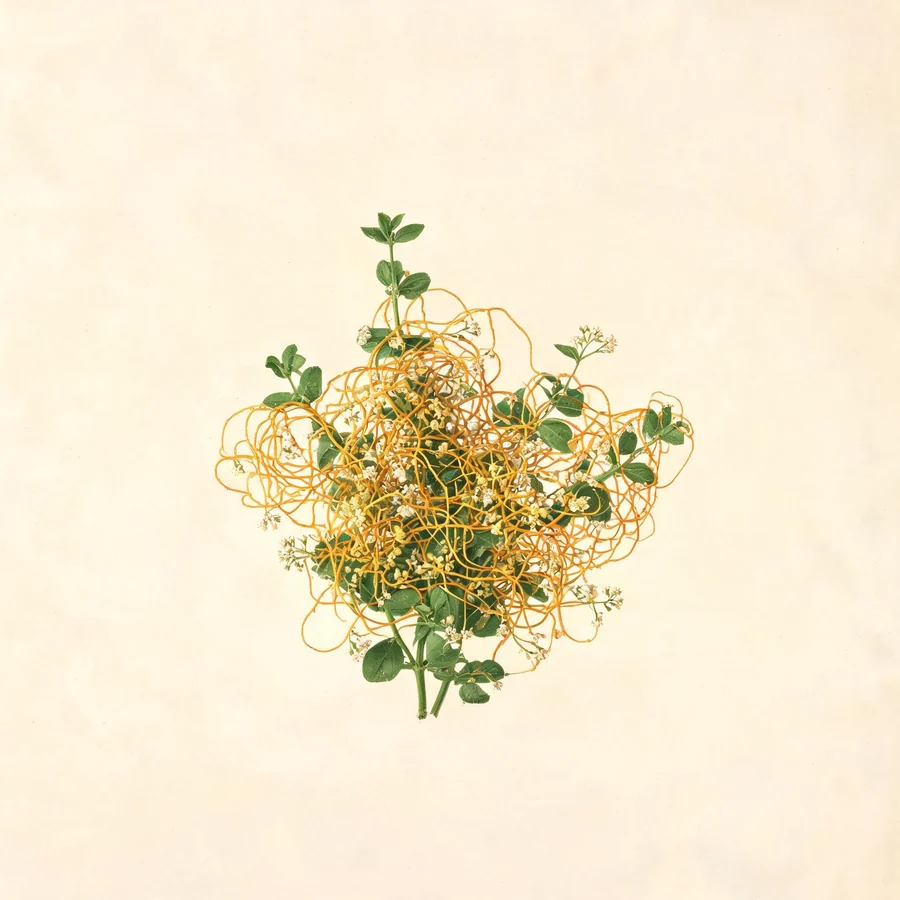
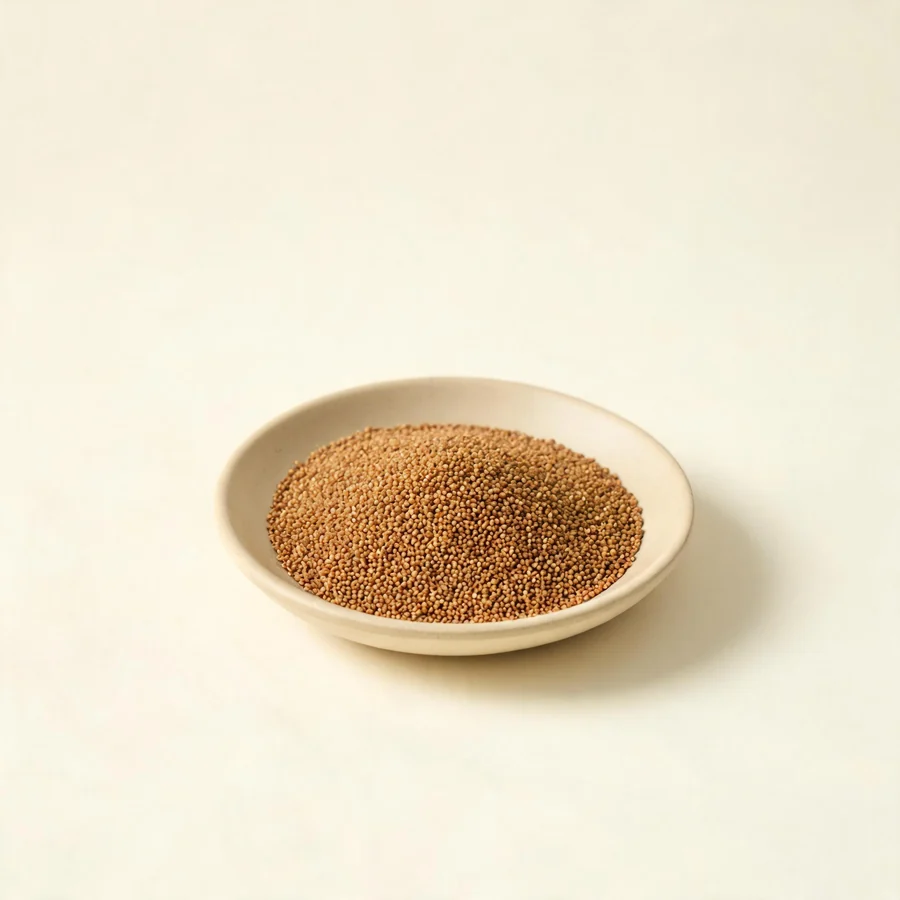
- The seed is non-toxic in animal work, with a wide margin, and the recorded problems are quality rather than toxicity: it is gathered as a tiny seed and commercial lots have repeatedly contained mineral grit above the permitted limit. The pharmacopoeia recognises more than one Cuscuta species, which differ in appearance.
PubMed records
Selected real PubMed records for this herb's species or its constituents, chosen by species name and title relevance. They are references for the non-TCM discussion above, not proof that the herb treats any skin condition.
- Cuscuta chinensis Lam.: A systematic review on ethnopharmacology, phytochemistry and pharmacology of an important traditional herbal medicine.. Journal of ethnopharmacology, 2014. PMID: 25281912 (pharmacology or review record).
- Neuroprotective effect of the traditional decoction Tian-Si-Yin against Alzheimer's disease via suppression of neuroinflammation.. Journal of ethnopharmacology, 2024. PMID: 38086513 (skin-related record).
Dose and forms
Skin-practice dosing and the preparations that suit skin complaints.
| Form | Dose and notes |
|---|---|
| Decoction | 6 to 12 g daily, crushed or tied in a cloth bag because the seeds are tiny and scatter, and soaked in warm water first to help extraction. Ten to twelve grams is usual where a steady tonic effect is wanted. |
| Prepared forms | The salt-processed seed is chosen when the aim is to hold Essence and cut urinary frequency; the wine cake, worked up with rice wine and flour, grinds more easily and runs a little warmer. Both are sold as prepared slices or pills. |
| External tincture | About 25 g of crushed seed to 100 ml of alcohol, steeped for two weeks and applied sparingly to pale patches once or twice a day, after a patch test on the inner arm. |
| Course length | Three months with review for a tonic course. The skin changes slowly if at all, and continuing beyond that without a clear reason adds cost rather than benefit. |
Dose follows the aim: a modest daily amount for a long, gentle build, and the prepared forms where the target is the lower body. The safety margin in animals is very wide, but that is a statement about toxicity and not about benefit, and it is no argument for taking large amounts. Because the seed is small and cheap, grit and poor material are the practical problems, so buy from a supplier who can name the species and the grade.
Citations and further reading
Only real sources are listed: the classical materia medica passages quoted above, and the source works behind the botanical and safety statements.
- Shen Nong Ben Cao Jing (Divine Husbandman's Classic of Materia Medica), attributed compilation of the Han period - classical entry summarised above.
- Ming Yi Bie Lu (Supplement to the Classic of Materia Medica), Wei-Jin period - classical entry summarised above.
- Ben Jing Feng Yuan (本经逢原), Zhang Lu, Qing dynasty - classical entry summarised above.
- Semen Cuscutae monograph: Pharmacopoeia of the People's Republic of China - source for the accepted species, part and quality requirements.
- Modern evidence statement: based on laboratory literature on the flavonoids and polysaccharides of Cuscuta seed, and on surveys of mineral contamination in commercial lots; no clinical trial in vitiligo is presented as proof of effect.
- External use: accounts of alcohol tinctures of the seed applied to vitiligo patches in Chinese dermatological practice, set out as practice rather than as trial evidence.
Educational reference for qualified practitioners. This page is not medical advice, and skin conditions should be diagnosed by a clinician before treatment.