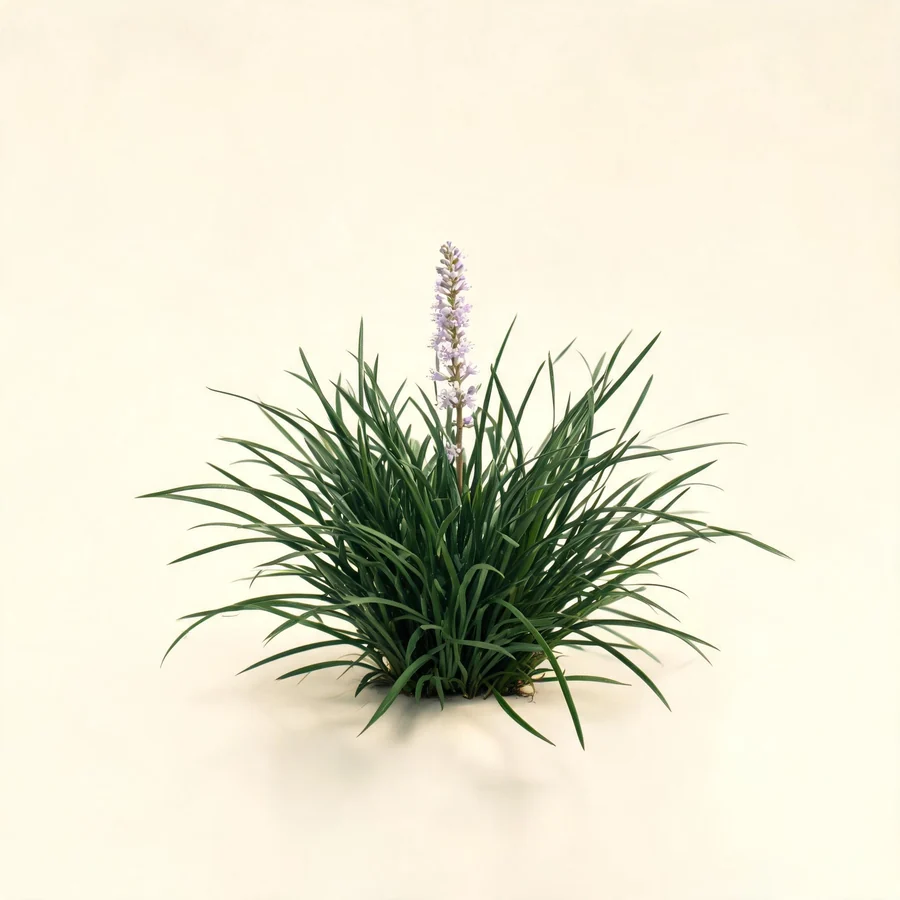
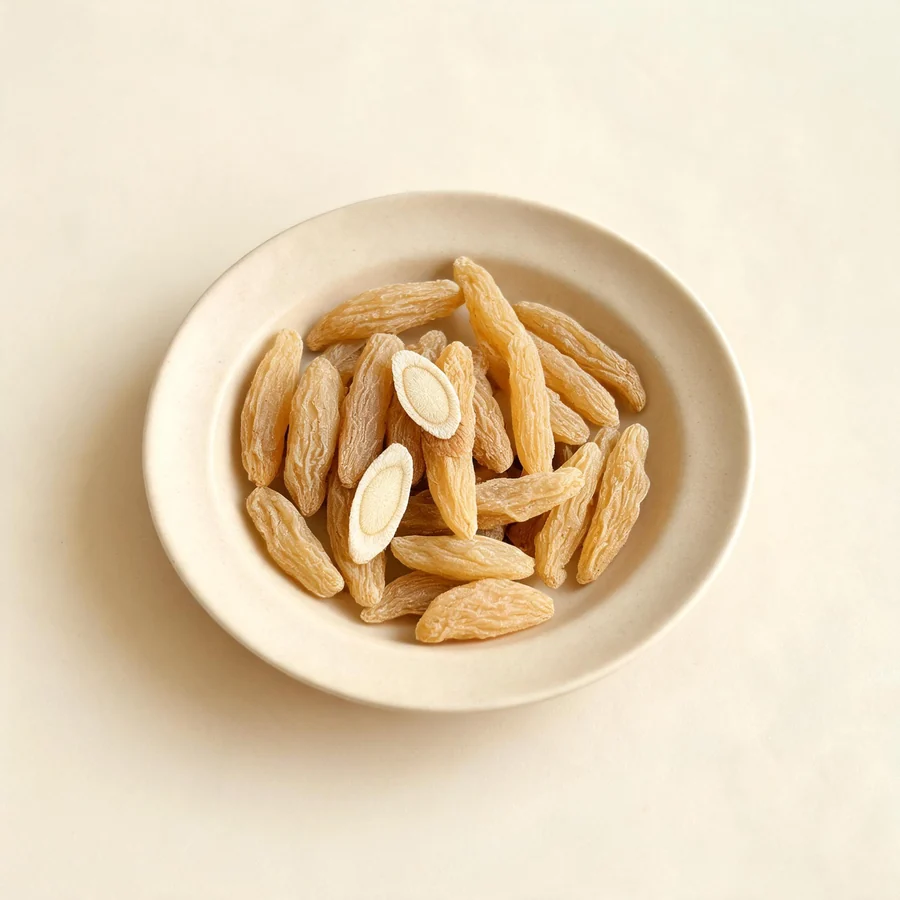
Skin profile
Where this herb sits in skin practice: the pattern it corrects, the skin signs it suits, and what it should not be used for.
Mai Dong is chosen when the skin is dry, tight and finely scaled and the person is dry elsewhere too: mouth, throat, stool. It is gentle enough to continue for weeks and too gentle to turn a wet or inflamed picture around, which is why it belongs in the nourishing half of a skin formula rather than at the front of it.
Skin signs that suggest it
- Dry, thin skin with fine white scaling that is worse in autumn and winter
- Tightness after washing, with a drawn, slightly shiny look over the shins
- Fine cracks at the knuckles, heels or lip corners that close and reopen
- Dry skin with a low-grade warm feeling, a dry mouth and a tongue with little coating
- Itch on dry skin that shows no rash, worse at night and in heated rooms
- A dry throat, a tickly cough and thirst for small sips alongside the skin dryness
When it is not the right herb
Not for greasy, oozing or crusted skin, and not where there is Phlegm or Dampness: adding moisture to a wet picture makes it heavier. Not for cold, weak digestion with loose stools and a pale tongue, because the tuber is cool and rich and can loosen the stool further. Not at the start of a wind-cold illness with chills, where a moistening tonic may hold the pathogen in. Large moistening doses belong to supervised practice, not to home use.
What it does for skin
Skin-relevant actions only. Each one describes a mechanism in TCM terms and what it looks like on the skin.
Generates fluids so the skin can hold its moisture
What the tradition calls Jin Ye is the moisture of tissue as much as of the mouth: what keeps skin supple, pliable and slow to crack. Mai Dong is described as generating that moisture rather than sealing it in, so its effect is on supply. It is the herb to reach for when dryness is the whole picture, and it is used over weeks rather than days.
Moistens the Lung, which governs the skin
The Lung is described as the organ that spreads moisture to the surface, and dry air, smoke, a long cough or a dry climate all deplete that supply. Because the tuber enters the Lung channel, it is used when dry skin and a dry chest appear together: a tickly cough, a dry throat and tight scaling skin in the same person. That combination is the clearest indication for it in skin practice.
Cools the mild Heat that dryness brings with it
Dryness and Heat feed each other: dry tissue overheats easily and heat dries tissue further. Mai Dong is slightly cold, enough to settle the warm, restless feeling of dry skin without the force of a bitter cold herb. It is used with Sheng Di Huang where skin is dry and hot at once, and with care in anyone who feels the cold.
Restores pliability and reduces cracking
Skin that has lost its moisture loses its give, so it cracks where it is stretched: knuckles, heels, lips and the corners of the mouth. The tuber's sweet, rich quality is read as replenishing the substance that gives skin its flexibility, and it is combined with Bai Shao and Gan Cao. Cracks that bleed, or that will not close, need assessment as well as moisture.
Settles the irritation of dry skin without sedating it
Dry itch is a symptom of a surface that cannot hold its moisture, and it eases as the fluids return. Mai Dong is not an antipruritic and does not act on the sensation directly; it removes the condition the itch feeds on. It is used with wind-diffusing herbs such as Fang Feng when the itch is troublesome, and emollients remain the first measure.
Skin conditions it is used for
Mapped to the condition pages on this site. The pattern column shows what the skin is doing when this herb is the right choice.
| Condition | Pattern | Why it suits | Typical setting |
|---|---|---|---|
| Skin dryness | Lung and Stomach Yin deficiency with fluid depletion | Dryness that is worse in dry weather, comes with thirst and a dry throat, and leaves the skin tight and finely scaled is read as fluid depletion. Mai Dong generates the fluids and moistens the Lung, which the tradition holds responsible for spreading moisture to the skin. It is a supporting herb in a formula, used over weeks, and emollients do the surface work in the meantime. | Sha Shen Mai Dong Tang with Bai Shao and Sheng Di Huang |
| Dry and hot skin | Yin deficiency with low-grade deficiency Heat | Skin that is both dry and warm, with a dry mouth, a red tongue with little coat and heat that is worse in the afternoon, is read as Yin deficiency that has begun to produce Heat. The tuber supplies moisture and cools mildly at once, which is gentler than a bitter cold herb in someone already depleted. Sheng Di Huang is added when the Heat is more marked. | Zeng Ye Tang with Sheng Di Huang and Mu Dan Pi |
| Skin tightness | Fluid and Blood deficiency leaving the surface unpliable | Tightness after washing, with a drawn look and a sense of the skin being a size too small, is read as fluid not reaching the surface. Mai Dong addresses the supply while Bai Shao nourishes the Blood that carries it. Tightness that comes with hardness, swelling or thickening of the skin is a different matter and needs assessment. | Sha Shen Mai Dong Tang with Bai Shao and Gan Cao |
| Cracked skin | Dryness with loss of pliability, often on the hands and heels | Cracks at the knuckles, heels and lip corners are where dry skin is stretched, and the tradition reads them as fluid depletion rather than as a local fault. The tuber moistens from within, and it is used with Dang Gui and Bai Shao where the Blood is thin as well. Fissures that bleed, or that appear in someone with diabetes, need proper wound care. | Dang Gui Yin Zi with Mai Dong and Bai Shao |
| Ichthyosis | Blood and Yin deficiency with fish-scale dryness | The inherited forms cannot be cured by any herb, and that is said plainly here. Where the scaling is part of a dry, depleted picture, Mai Dong contributes moisture and Sheng Di Huang supplies the deeper Yin, and the aim is comfort and pliability rather than reversal. Regular emollient use is the mainstay, and a dermatologist should confirm the diagnosis. | Zeng Ye Tang with Sheng Di Huang and Dang Gui |
Combinations for skin
Herbs it is paired with when the skin, not an internal organ, is the target.
| Partner | Ratio | Why the pair is used |
|---|---|---|
| Sheng Di Huang | 10 to 15 g Sheng Di Huang with 6 to 12 g Mai Dong | Sheng Di Huang carries Yin to its deepest level and cools Blood, where the tuber works on the lighter fluids of Lung and Stomach. The division is between depth and surface, and together they treat dryness that has gone below the skin. The pair is the core of the fluid-restoring approach to dry, tight, finely cracked skin. |
| Xuan Shen | 6 to 12 g each | Xuan Shen is salty, cold, and aimed at Blood and at nodules; the tuber is sweet, moistening and aimed at fluids. Together they soften a dry surface and cool a deficiency Heat that has gone deeper, and with Sheng Di Huang they make the classical reply to dryness left by fever. |
| Sha Shen | 6 to 12 g each | Sha Shen is lighter and clears Heat from the Lung more readily, whereas the tuber is heavier and generates Stomach fluids more effectively. The pair is used for dryness in both the chest and the skin after a febrile illness, and it is the pairing at the heart of the formula named for the two herbs. Sha Shen is the better choice when a cough is the presenting problem. |
| Tian Men Dong | 6 to 12 g each | These are the two winters of the materia medica, and between them they reach from the upper body to the lower. Tian Men Dong is colder and goes deeper into Lung and Kidney, so the pair suits dryness with a dry cough, night sweats and a hard stool. It is the more cloying of the two and is reduced when the digestion is weak, which is where the gentler tuber carries the pair. |
Formulas where it leads
- Sha Shen Mai Dong Tang (沙参麦冬汤) - The warm-disease formula for dryness that has settled in the Lung and Stomach, with a tickly cough, a parched throat and thirst. Mai Dong supplies the moisture and Sha Shen clears the residual Heat, which is the combination used for dry skin in the aftermath of a fever or a hot dry season.
- Zeng Ye Tang (增液汤) - Three moistening herbs, given so that the water rises and the boat floats, in the classical image for dryness with a hard stool. In skin practice the same reasoning is used for dry, tight skin with constipation, where adding fluid does more than adding another layer of emollient.
Safety for skin use
What to check before recommending or using it, including the cautions that matter most for skin patients.
Do not use, or use with caution
- Cold, weak digestion with loose stools, a pale tongue and a chilly sensation in the belly. The tuber is cool and rich, and in that picture it loosens the stool and leaves the stomach heavy.
- Dampness or Phlegm: a greasy coated tongue, a heavy chest, nausea with rich food, or greasy and oozing skin. Moisture added to a wet picture makes the Dampness heavier and the lesion wetter.
- The start of a wind-cold illness with chills and a runny nose. A moistening tonic given at that stage is held to keep the pathogen in and to prolong the illness.
- Very large moistening doses in anyone with a delicate digestion. The classical large-dose precedent belongs to supervised treatment of deep fluid damage, not to routine skin use.
Pregnancy and breastfeeding
Generally regarded as safe at ordinary doses. This is a gentle Yin tonic with nothing that moves Blood, breaks Qi or stimulates the uterus, it is absent from the classical lists of herbs to avoid in pregnancy, and it appears in historical formulas for Yin deficiency with restlessness. The caution is digestive rather than obstetric, since anyone pregnant with a weak Spleen, nausea and loose stools should keep the dose low. While breastfeeding it is treated as compatible, and it appears in classical formulas meant to support milk production by generating fluids.
Interactions
- Diabetes medicines: the polysaccharides have lowered blood glucose in animal studies, so an additive effect with insulin or an oral hypoglycaemic is possible. Readings are worth watching when a daily decoction is started.
- Warfarin and similar medicines: laboratory work has shown mild effects on clotting, a theoretical caution rather than a reported problem. Anyone anticoagulated should tell their prescriber before starting a regular course.
- Digoxin: the steroidal saponins invite a cautious approach in anyone taking it, on the theoretical ground of an additive cardiac effect. No clinical interaction has been recorded, and the practical response is disclosure and monitoring rather than avoidance.
Allergy and patch testing
Allergy is uncommon, but the tuber is used in foods and drinks and reactions to it are possible. Contact reactions to herb-containing creams are a separate matter and are patch tested as usual. Sulphur-fumigated material, common in cheap lots, can irritate the airways and the skin, so material with a sharp acidic smell should be discarded.
General safety references
General references for herbal hepatotoxicity and herb-drug interactions; they are not specific to this herb.
- Review article: Herbal hepatotoxicity - an update on traditional Chinese medicine preparations. Alimentary Pharmacology & Therapeutics, 2014. PMID: 24844799.
- Interactions between herbal medicines and prescribed drugs: an updated systematic review. Drugs, 2009. PMID: 19719333.
- Warfarin and food, herbal or dietary supplement interactions: a systematic review. British Journal of Clinical Pharmacology, 2021. PMID: 32478963.
Evidence
The classical record is quoted with its source. The modern note states the level of evidence plainly.
Classical record
It governs binding Qi in the chest and abdomen, and injuries from heat and dryness.
Shen Nong Ben Cao Jing (Divine Husbandman's Classic of Materia Medica) - The dryness indications are the earliest basis for using the tuber on skin that heat and dry air have left parched.
主身重目黄,心下支满,虚劳客热,口干燥渴,止呕吐。
It treats heaviness of the body and yellowing of the eyes, fullness below the Heart, the lingering Heat of deficiency and exhaustion, and a dry mouth with thirst. It stops vomiting.
Ming Yi Bie Lu (Supplement to the Classic of Materia Medica) - Here the older tonic becomes a medicine for fluids, and the thirst with a dry mouth is the thread that leads to its modern skin use.
麦冬其味大甘,膏脂浓郁,故专补胃阴,滋津液。
Mai Dong is strongly sweet in flavour and rich and unctuous in quality, so it specifically supplements Stomach Yin and nourishes the body fluids.
Ben Cao Zheng Yi (Materia Medica in the Correct Sense) - A late Qing commentary stating the reasoning baldly: sweetness and richness are taken as the very substance of the fluid supplied.
Modern evidence
Evidence status
- Laboratory studies of Ophiopogon japonicus polysaccharides and saponins report anti-inflammatory, antioxidant and immune-modulating activity, and some work on skin cells in culture. These are cell and animal experiments, not trials of dry skin in people.
- Clinical trial evidence for the tuber in skin disease is lacking; it appears in multi-herb formulas studied for other conditions, and no trial has measured skin hydration or dryness as an outcome.
- Regulatory status: the tuber is listed in the Chinese Pharmacopoeia and is used as both a food and a medicine in China. This page describes traditional practice and the state of the evidence; it is not a claim of proven benefit.
PubMed records
Selected real PubMed records for this herb's species or its constituents, chosen by species name and title relevance. They are references for the non-TCM discussion above, not proof that the herb treats any skin condition.
- Effectiveness and Safety of Traditional Chinese Medicine in Treatment of Primary Sjögren's Syndrome Patients: A Meta-analysis.. Combinatorial chemistry & high throughput screening, 2023. PMID: 36959129 (safety record).
Dose and forms
Skin-practice dosing and the preparations that suit skin complaints.
| Form | Dose and notes |
|---|---|
| Decoction | 6 to 12 g of dried tuber daily. Six to nine grams suits a mild dryness or a supporting role, nine to twelve the ordinary picture of dry skin with thirst, and higher figures belong to supervised treatment of marked depletion. |
| Large-dose precedent | Classical formulas use the tuber as chief herb at a quantity far above the standard range, on the reasoning that a fire that has burnt deep into the fluids will not be put out by sprinkling. That belongs to supervised practice, and to a weak digestion only with care. |
| Prepared form | Stir-fried with rice-washing water is the form used where the raw tuber is too cooling for the digestion. The small woody core was traditionally removed, although much modern material leaves it in place. |
| Course length | Weeks, judged by the skin, the stool and the appetite. If stools loosen or appetite drops away, reduce the dose or stop the herb. |
The tuber is unusual in being taken over weeks rather than days, so the digestion, not the calendar, sets the dose. It goes into the pot with everything else and needs no special handling, although some practitioners crush it lightly for a better extraction. A daily decoction over months is a different exposure from a soup now and then, and the review should match it.
Citations and further reading
Only real sources are listed: the classical materia medica passages quoted above, and the source works behind the botanical and safety statements.
- Shen Nong Ben Cao Jing (Divine Husbandman's Classic of Materia Medica), attributed compilation of the Han period - classical entry quoted above.
- Ming Yi Bie Lu (Supplement to the Classic of Materia Medica), Tao Hongjing, Southern and Northern Dynasties - classical entry quoted above.
- Ben Cao Zheng Yi (Materia Medica in the Correct Sense), Qing period - classical entry quoted above.
- Mai Dong monograph: Pharmacopoeia of the People's Republic of China - source for the accepted botanical source, part used and quality requirements.
- Modern evidence statement: based on laboratory literature on Ophiopogon japonicus polysaccharides and saponins, summarised as a statement about the level of evidence rather than as a cited finding.
- Botanical description: botanical literature on Ophiopogon japonicus, Asparagaceae.
Educational reference for qualified practitioners. This page is not medical advice, and skin conditions should be diagnosed by a clinician before treatment.