Skin profile
Where this herb sits in skin practice: the pattern it corrects, the skin signs it suits, and what it should not be used for.
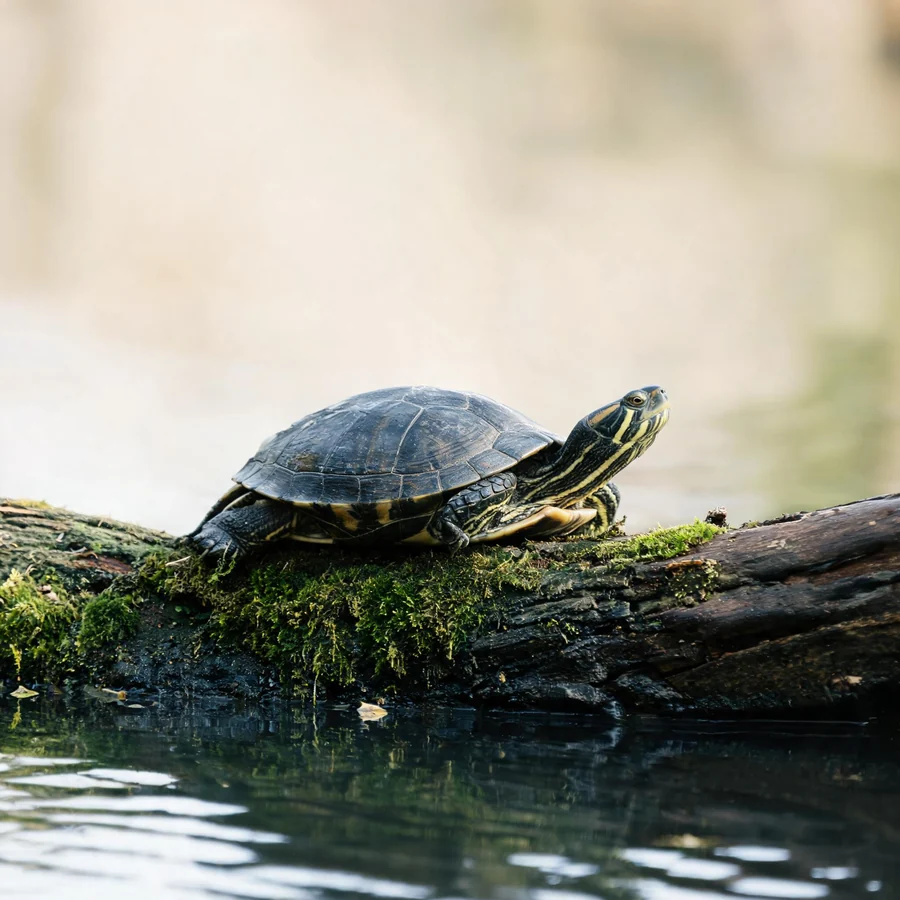
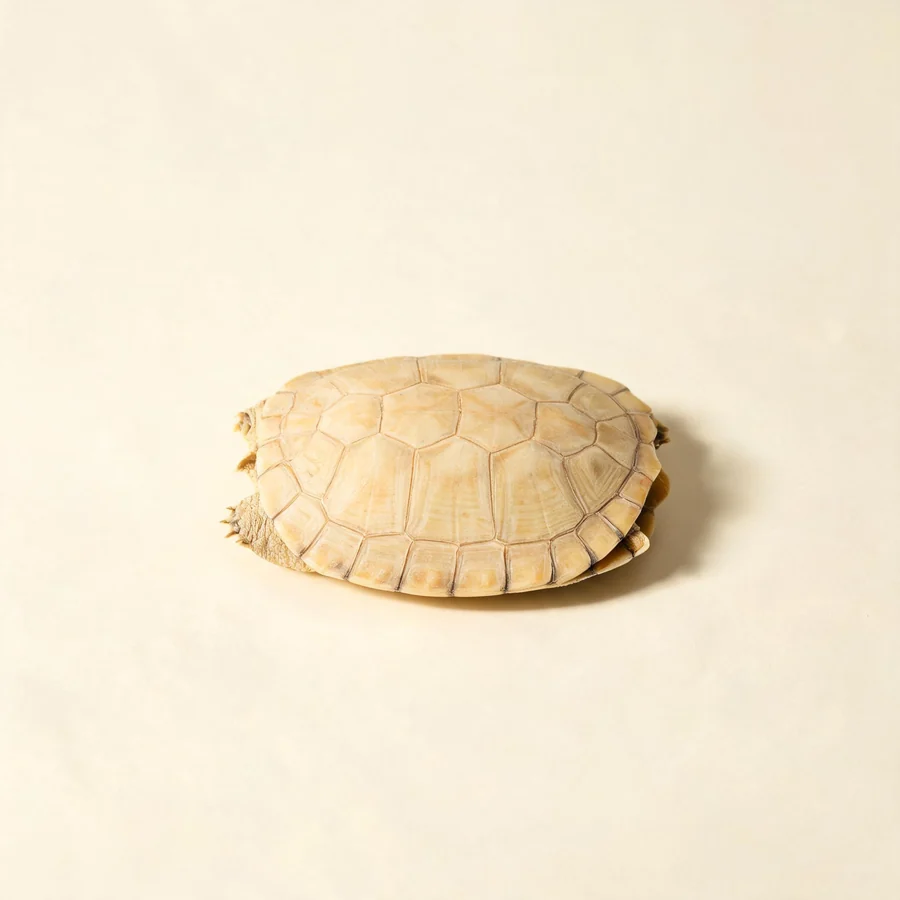
Gui Ban is chosen for skin that has lost substance and moisture together, with the empty warmth that comes with Yin deficiency. It is slow, cold and heavy, it is contraindicated in pregnancy, and as an animal shell it should only be bought from documented, legal supply.
Skin signs that suggest it
- Dry, thin, atrophic skin that feels hot at night and itches without a rash
- Flushing and warmth in the face and chest, with night sweats and a dry throat
- Skin that has thinned and wrinkled over a sore lower back and weak knees
- Itch that wakes the person in the early hours, with heat in the palms and soles
- Fine scaling with a red tongue that has almost no coating and a thin, rapid pulse
When it is not the right herb
Not for skin that is cold and pale, and not for Yang deficiency with cold limbs, a pale face and copious clear urine: a cold Yin tonic pulls in the opposite direction. It is wrong where Dampness or Phlegm dominates, with a greasy coating, a heavy body and a poor appetite, because the richness adds to what is already congested. It is not a treatment for acute eczema, a weeping or infected lesion, or a spreading rash, all of which need clearing first. It is contraindicated in pregnancy, and it should not be used where a plant Yin tonic would do, particularly if the digestion is weak or the person avoids animal products.
What it does for skin
Skin-relevant actions only. Each one describes a mechanism in TCM terms and what it looks like on the skin.
Restores the Yin that holds moisture in the skin
Yin names the cool, moist and storing aspect of the body in this tradition, and as it thins the skin loses moisture and resilience together. This shell is cold, heavy, salty and sweet; the salt is read as carrying nourishment down into the Kidney, and the weight as settling what has risen. On the skin the effect is slow: the dryness softens, the night warmth eases, and the change is judged over weeks rather than days.
Anchors rising Yang and settles flushing in the upper body
Yin that can no longer hold Yang does not produce a raging fever but a slow drift upward: flushing, warmth across the chest and face, dizziness, and a pulse thin and rapid. The shell is used for that picture, and its effect on the skin is the visible part of a general settling. It is not a cooling herb for heat toxin, and it will not help a red pustular flush; the flushing it addresses is the empty kind that comes with depletion and arrives in waves.
Rebuilds Blood and steadies the spirit so night itch no longer wakes the person
The Heart houses the spirit, which needs Blood and Yin to give it somewhere to rest. When those run thin, sleep is light and broken, and itch is felt more keenly at night, when the surface is warm and the mind is unoccupied. It enters the Heart channel and supplies what the Heart lacks, which is why it is given with Long Gu where the spirit is restless, and why sleep often settles before the skin does.
Supports the structural base of the skin: bone, Essence and slow repair
Bone is the Kidney's charge and marrow is made from the Essence it stores, and the shell is used where that store runs low: an aching lower back, weak knees, and skin thinned over the tissue beneath. This is an indirect action on the skin, and it is honest to say so. It matters most in later life and after a long illness, where the surface and the skeleton have both lost substance, and it is measured in months.
Skin conditions it is used for
Mapped to the condition pages on this site. The pattern column shows what the skin is doing when this herb is the right choice.
| Condition | Pattern | Why it suits | Typical setting |
|---|---|---|---|
| Skin Dryness | Yin and Blood deficiency with empty heat: dry, thin, warm skin | Dry skin that is also warm, worse at night, with a dry throat and heat in the palms, is the empty-heat picture rather than simple dryness, and the treatment is to rebuild rather than to cool. Gui Ban nourishes the Yin and Blood whose absence created the heat, and its weight settles the warmth that rises to the surface. It is used with Shu Di Huang and Zhi Mu in a formula given over weeks, and it is not a substitute for emollients or for treating a thyroid or other systemic cause. | Da Bu Yin Wan, with Shu Di Huang and Zhi Mu |
| Dry And Hot Skin | Empty heat from Yin deficiency: skin dry and hot, worst at night | Skin that is dry and hot at once, worse in the evening, with night sweats, five-palm heat and a dry mouth, is read as Yin failing to cool the body so that a small relative excess of Yang is felt as heat. Gui Ban is chosen because it addresses the deficiency instead of suppressing the warmth, and because it is heavy enough to anchor it. The distinction matters: a cold bitter herb would clear the heat and dry an already depleted person further. | Da Bu Yin Wan, or a Yin-nourishing formula with Sheng Di Huang |
| Senile Pruritus | Liver and Kidney Yin deficiency with Wind arising from dryness | Itch in later life with dry skin, night sweats, a sore lower back, dry eyes and a dry throat is the Yin-deficient form, and it is worse at night because that is when the empty heat is felt. Gui Ban feeds the deeper reserve from which the skin is moistened, and it is given with Blood tonics and with herbs that settle the Wind. It is a slow herb for a chronic picture; persistent or generalised itch still needs a medical review, because several systemic diseases present this way. | A Yin-nourishing formula with Shu Di Huang, Bai Shao and Fang Feng |
| Wrinkled And Shrunken Skin | Kidney Essence and Yin depletion: thin, lax, dry skin with heat | Thinning, wrinkling and a loss of fullness that outrun age, in someone with a sore lower back, weak knees, tinnitus and warmth at night, are read as Essence and Yin no longer filling the skin. The shell is one of the materials used to rebuild that depth, and it is given at a low dose over months alongside the warmer Blood tonics. It does not reverse photoageing, and sun protection and emollients remain the measures with the clearest evidence. | Within a Kidney Yin tonic formula such as Zuo Gui Wan, with Gui Ban added |
Combinations for skin
Herbs it is paired with when the skin, not an internal organ, is the target.
| Partner | Ratio | Why the pair is used |
|---|---|---|
| Shu Di Huang | 12 g Gui Ban with 15 g Shu Di Huang | The root provides the substance, the shell the cooling and the weight that holds it down, which is why the two sit at the centre of the classical formula for deficiency fire. On the skin it is used for dryness with heat at night, where the surface has thinned and the warmth will not settle. The root is warm and cloying and the shell is cold and heavy, so the pair needs an aromatic herb beside it where the digestion is weak. |
| Zhi Mu | 10 g each in decoction | Zhi Mu clears empty heat and moistens, while Gui Ban rebuilds the Yin and anchors the Yang. Together they address the heat that dries the skin at its root rather than at the surface, and they are two of the four herbs in the classical formula for deficiency fire. The pair is used where the skin is dry and hot at night with a red tongue that has little coat, and it is stopped once the heat signs settle. |
| Nu Zhen Zi | 9 to 15 g Gui Ban with 10 to 15 g Nu Zhen Zi | The fruit is the lighter Yin tonic and the shell is the heavier one, so the pair is chosen when the deficiency is real but the digestion will not take the shell alone. The fruit nourishes the Liver and Kidney, clears low-grade heat and can be taken for months; the shell adds depth, anchoring and a stronger effect on night warmth. Where the digestion is fragile the fruit leads and the shell is kept small. |
| Bai Shao | 10 g each | Bai Shao is sour and slightly cold and it gathers and preserves what the body has, while the shell rebuilds the Yin beneath. The pair suits dry skin with tightness and cramping, a pale tongue and a wiry, thin pulse, where the surface is dry because the Blood and Yin are both low. Bai Shao also softens the Liver, which is useful where the dryness comes with irritability and poor sleep. |
Formulas where it leads
- Da Bu Yin Wan (大补阴丸) - Zhu Danxi's formula for Yin deficiency with fire, built on Gui Ban, Shu Di Huang, Zhi Mu and Huang Bo. In this edition it is the context for skin that is dry and hot at night, with flushing and a red tongue that has little coating; the shell anchors, the root builds, and the two cold herbs clear the heat that the depletion produced.
Safety for skin use
What to check before recommending or using it, including the cautions that matter most for skin patients.
Do not use, or use with caution
- Spleen and Stomach weakness with cold-damp: little appetite, a swollen uncomfortable abdomen, unformed stools and a thick greasy coat on the tongue. A cold, heavy, sticky shell is difficult to digest at any time, and in that state it can loosen the bowel further.
- Yang deficiency without Yin deficiency: chilly hands and feet, a pale complexion, a deep and slow pulse, and plentiful pale urine. A cold Yin tonic adds to a shortage of warmth, and the two patterns can look alike until the pulse and the patient's temperature are checked.
- Dampness or Phlegm with a greasy coating and a heavy body: the richness adds to congestion rather than resolving it.
- Pregnancy: contraindicated, since the shell reaches the Ren and Chong vessels and has caused uterine contraction in animal experiments.
- Unverified or undocumented supply: the species is CITES-listed and shells of other turtles are commonly substituted, so material without paperwork should not be used at all.
Pregnancy and breastfeeding
Contraindicated. The shell reaches the two vessels that govern gestation, and plastron extracts have produced uterine contraction in the laboratory, so what is at issue is the material itself rather than the amount. It is omitted for anyone who is pregnant or hoping to conceive, and that covers even short courses for a skin complaint. There is no topical use to fall back on in this edition, since the material is not applied to the skin, and the same avoidance applies during breastfeeding, where no transfer data exist and a cold heavy tonic can blunt the mother's appetite.
Interactions
- Calcium supplements, antacids and fortified foods: a decoction of the shell, which is mostly mineral, adds calcium on top of whatever is already being taken. For most people that hardly matters, though in stone disease or on high-dose calcium for bone loss the running total is worth counting; leaving a gap of an hour or two between them is the usual answer.
- Warfarin and antiplatelet medicines: the shell is traditionally credited with holding Blood in and checking bleeding, which is the opposite of what an anticoagulant does. No case has been confirmed, yet anyone on warfarin should mention it, and the same applies before an operation.
- Immunosuppressants such as ciclosporin or tacrolimus: plastron extracts have enhanced immune activity in the laboratory, the reverse of what a transplant patient needs. That evidence is preclinical, so it argues for disclosure rather than for a ban.
Allergy and patch testing
An animal-derived material can provoke a reaction in a sensitised person, and allergy to turtle shell or to gelatin made from it is possible. Because shells of other species are commonly substituted, a reaction may be to what the product actually contains rather than to the species named. Stop at once if a rash, wheeze, swelling or digestive upset appears, and buy only from a supplier that states the species and provides documentation.
General safety references
General references for herbal hepatotoxicity and herb-drug interactions; they are not specific to this herb.
- Review article: Herbal hepatotoxicity - an update on traditional Chinese medicine preparations. Alimentary Pharmacology & Therapeutics, 2014. PMID: 24844799.
- Interactions between herbal medicines and prescribed drugs: an updated systematic review. Drugs, 2009. PMID: 19719333.
- Warfarin and food, herbal or dietary supplement interactions: a systematic review. British Journal of Clinical Pharmacology, 2021. PMID: 32478963.
Evidence
The classical record is quoted with its source. The modern note states the level of evidence plainly.
Classical record
主漏下赤白,破症瘕痎疟,五痔阴蚀,湿痹四肢重弱,小儿囟不合。
It governs leaking red and white discharge, dissolves hard masses in the belly, and addresses recurring fevers, the five haemorrhoid types, genital erosion, damp painful obstruction with heavy weak limbs, and, in children, a fontanelle slow to close.
Shen Nong Ben Cao Jing (Divine Husbandman's Classic of Materia Medica) - The earliest notice lists concrete complaints rather than a theory, and the parts touching the skin are genital erosion and the heavy, weak limbs of damp obstruction.
龟、鹿皆灵而有寿。龟首常藏向腹,能通任脉,故取其甲以补心、补肾、补血,皆以养阴也。
Tortoise and deer alike are creatures of spirit and long life. The tortoise habitually draws its head back towards its belly, which is taken as reaching the Conception vessel, and the shell is accordingly used for supplementing Heart, Kidney and Blood, every one of which nourishes Yin.
Ben Cao Gang Mu (Compendium of Materia Medica), Li Shizhen - The argument works by analogy rather than by chemistry, and it is among the clearest cases of likeness turned into a clinical rule.
甘平至阴,属金与水。补心益肾,滋阴资智。
Sweet and level, of the utmost Yin, it belongs to Metal and Water. It supplements Heart, benefits Kidney, feeds Yin and gives the mind material to work with.
Ben Cao Bei Yao (Essentials of the Materia Medica) - A late summary that folds three channels into a sentence; the remark on the mind points to the broken sleep that sharpens night itch.
Modern evidence
Evidence status
- No clinical trial of Gui Ban in a skin condition was identified. Laboratory work on plastron extracts describes bone-forming and immune-related activity, and uterine contraction has been reported in animal experiments, which is the basis of the pregnancy prohibition rather than of any claim about the skin.
- The material is largely mineral, so a decoction adds calcium to the diet. That is pharmacologically real and clinically minor, except in kidney stone disease or where calcium supplements are already at a high dose.
- Sourcing is part of the evidence question. The species is CITES-listed, shells of other turtles are commonly sold in its place, and material without documented origin cannot be assumed to be the species described here, so provenance is a condition of use rather than a footnote.
PubMed records
Selected real PubMed records for this herb's species or its constituents, chosen by species name and title relevance. They are references for the non-TCM discussion above, not proof that the herb treats any skin condition.
- Studies on the Structure and Properties of Ultrasound-Assisted Enzymatic Digestion of Collagen Peptides Derived from Chinemys reevesii Skin.. Foods (Basel, Switzerland), 2025. PMID: 40941078 (skin-related record).
Dose and forms
Skin-practice dosing and the preparations that suit skin complaints.
| Form | Dose and notes |
|---|---|
| Decoction | 9 to 24 g a day of prepared shell, crushed and simmered for 30 to 60 minutes before the other herbs are added, since a dense mineralised material yields little to a brief infusion. |
| Prepared and gelatin forms | The vinegar-fried shell is dosed in the same range and is easier to extract; the gelatin obtained by boiling the shell is stirred into the strained decoction at 3 to 9 g instead of being cooked with the other herbs. |
| Course length | Weeks to months, with review. Response is assessed through sleep, through how warm the palms feel, and through the behaviour of the skin and lower back, and the amount is reduced if the stomach swells or the bowel loosens. |
| Plant alternatives | Where a plant alternative is preferred, Nu Zhen Zi or Sheng Di Huang cover part of the same ground at a fraction of the cost and without the animal-sourcing question. |
A shell needs a longer simmer than a leaf, and the wide range reflects two variables: how deep the depletion runs, and how much the digestion will accept. Two practical rules apply. The first is to dose by tolerance: a swollen stomach or a loose bowel means the amount is too much for that person, whatever the formula prescribes. The second is that provenance is part of the dose, since material of the wrong species is a different medicine; buy only documented, legally sourced shell, and treat a suspiciously cheap product as suspect.
Citations and further reading
Only real sources are listed: the classical materia medica passages quoted above, and the source works behind the botanical and safety statements.
- Shen Nong Ben Cao Jing (Divine Husbandman's Classic of Materia Medica), attributed compilation of the Han period - the entry on discharge, masses and damp obstruction is quoted above.
- Ben Cao Gang Mu (Compendium of Materia Medica), Li Shizhen, 1578 - the passage on the tortoise, the Conception vessel and the three supplements is quoted above.
- Ben Cao Bei Yao (Essentials of the Materia Medica), Wang Ang, Qing dynasty - the summary of taste, nature and channels is quoted above.
- Pharmacopoeia of the People's Republic of China, Plastrum Testudinis monograph - source for the accepted animal source, part used and quality requirements.
- Convention on International Trade in Endangered Species of Wild Fauna and Flora (CITES) listings for Mauremys reevesii and related turtles - the framework for legal, documented supply.
- Modern evidence statement: based on laboratory and animal literature on plastron extracts and on the absence of identified skin trials, stated as a level of evidence rather than as a cited finding.
Educational reference for qualified practitioners. This page is not medical advice, and skin conditions should be diagnosed by a clinician before treatment.