Skin profile
Where this herb sits in skin practice: the pattern it corrects, the skin signs it suits, and what it should not be used for.
E Jiao is chosen for dry, thin skin and for small bleeds on a background of deficiency. Its richness, its digestibility and the integrity of the supply are the three things that decide whether it suits a person, and none of them is visible from the label.
Skin signs that suggest it
- Dry, thin, papery skin with fine scaling that is worse in winter
- Cracks at the heels, knuckles or lips that reopen repeatedly
- Pallor with dry, dull skin and hair that has lost its shine
- Easy bruising and small pinpoint bleeds appearing with little provocation
- Itch in older, dry skin that is worse at night and after washing
- A pale tongue with little coating and a fine, weak pulse
When it is not the right herb
Not for skin that is damp, greasy or weeping, and not for a person with a greasy tongue, heaviness in the body, a poor appetite, bloating or loose stools. Not for the early stage of an acute illness, where a rich tonic can trap the pathogen. Not for infected, hot or spreading lesions, which need treatment rather than nourishment. It is not a treatment for iron-deficiency anaemia, which needs the cause found and treated. Anyone with a gelatin allergy, or a reaction to a previous animal-derived preparation, should avoid it.
What it does for skin
Skin-relevant actions only. Each one describes a mechanism in TCM terms and what it looks like on the skin.
Builds Blood so the skin has substance
Blood is what gives skin its colour, warmth and thickness, and a person who is pale, tired and dry is read as Blood deficient. The gelatin is described as building Blood substance directly, rather than supporting the organs that make it, which is the traditional claim for a substance of blood and flesh. On the skin the change is slow: colour returns first, then the skin feels less thin and less easily marked. Iron deficiency and other causes of anaemia must still be diagnosed and treated.
Nourishes Yin and moistens dryness
The Lung governs the skin and hair, and dryness of the Lung shows on the surface as dry, flaking, tight skin. The gelatin is sweet, neutral and moistening, and it is used for that dry picture rather than a hot one. It is the reason it appears in formulas for dry skin with a dry throat and a dry cough, and it is why it is taken melted rather than boiled, so that its texture survives.
Stops small bleeds into the skin
The tradition reads its stickiness as a binding quality that closes the vessels and holds what is inside them. In skin practice that means purpura, petechiae and easy bruising on a background of deficiency. It is combined with herbs that warm the channels and hold Blood, and it is not used while bleeding is heavy or unexplained, because a bleeding disorder needs diagnosis rather than a tonic.
Calms the itch of dry, depleted skin
Itch in older skin with little rash is read as Wind raised by dryness, and the treatment is to moisten rather than to dispel. The gelatin is used with blood-nourishing herbs such as Dang Gui and Bai Shao, and the itch settles as the skin becomes less dry. It is not an antihistamine and does not act quickly; the practical measures are still short, cool washes and an unperfumed moisturiser.
Skin conditions it is used for
Mapped to the condition pages on this site. The pattern column shows what the skin is doing when this herb is the right choice.
| Condition | Pattern | Why it suits | Typical setting |
|---|---|---|---|
| Skin dryness | Blood and Yin deficiency failing to moisten the skin | Dry skin without a rash, in a person who is pale, thin and tired, is read as Blood and Yin that cannot reach the surface. The gelatin builds the substance that is missing and moistens at the same time, and it is given in a nourishing formula rather than alone. It is a slow treatment, and the everyday work is done by avoiding hot water and soap and by applying an emollient. | Dang Gui Yin Zi with E Jiao melted into the strained decoction |
| Ichthyosis | Deep dryness with a scaly, fish-skin appearance | Ichthyosis is a disorder of the skin barrier, and the inherited forms are not cured by any herb. The tradition treats the dry, scaly, cracked picture as Yin and Blood depletion, and the gelatin is used to soften and moisten within that frame. It is an adjunct to emollient therapy and to the dermatological management of the condition, and it does not replace them. | E Jiao with Shu Di Huang, Mai Men Dong and Dang Gui in a yin-nourishing formula |
| Senile pruritus | Blood deficiency with wind-dry itch in older skin | Itch in older people, with dry fine skin and no obvious rash, is read as Blood deficiency with dryness, and the tradition treats it by nourishing rather than by dispersing Wind. The gelatin is used with Dang Gui, Bai Shao and Bai Ji Li. It is slow, and the practical measures matter more: less soap, cooler water, a thick emollient and a check for medical causes of itch. | Modified Dang Gui Yin Zi with E Jiao and Bai Ji Li |
| Cracked skin | Dryness at the edges of the skin, worse in cold weather | Cracks at the heels, knuckles and lips are read as dryness where the skin is thin and constantly flexed. The gelatin moistens from within while the local treatment protects the crack, and the two are used together. A crack that is deep, bleeding or infected needs treatment for the infection and a proper dressing, not a tonic. | E Jiao with Dang Gui, Bai Shao and Mai Men Dong |
| Purpura | Deficiency that fails to hold Blood inside the vessels | Purpura on a background of pallor, fatigue and a fine weak pulse is read as Qi and Blood too weak to keep Blood in its channels. The gelatin stops bleeding and builds Blood at the same time, which is unusual, and it is combined with herbs that warm and consolidate. Purpura always needs medical assessment first, because platelet disorders and vasculitis are the important causes. | Jiao Ai Tang |
| Easy bruising | Blood deficiency with weak vessels | Bruising from minor knocks, in a pale tired person, is read as Blood that is both insufficient and poorly held. The gelatin is used in a formula that builds Blood and strengthens the Spleen, and the aim is fewer marks rather than faster fading. Easy bruising can also be a sign of a bleeding disorder or of a medicine, and that should be checked before a tonic is started. | Gui Pi Tang with E Jiao |
Combinations for skin
Herbs it is paired with when the skin, not an internal organ, is the target.
| Partner | Ratio | Why the pair is used |
|---|---|---|
| Shu Di Huang | 10 to 15 g each | Both nourish Blood and Yin deeply, and the pair is the core of the classic formulas for depletion with dryness. It is used for dry, pale skin with dizziness and a dry mouth, where the aim is to rebuild substance rather than to treat a surface problem. The combination is heavy and cloying, so it suits a person whose digestion can carry it. |
| Bai Shao | 10 g Bai Shao with 5 to 10 g E Jiao | Bai Shao is astringent and holds Yin and Blood in, while the gelatin builds them. The pair is used for dry, tight skin that is easily marked, and for the ache and cramping that go with Blood deficiency. It is a gentle combination, and it is often the first step in a person who cannot tolerate the heavier tonics. |
| Ai Ye | 6 to 10 g Ai Ye with 5 to 10 g E Jiao | Ai Ye warms the channels and helps the vessels hold Blood, while the gelatin nourishes and consolidates. Together they cover the deficiency and the cold that usually accompany bleeding from the uterus, and the same reasoning is applied to purpura and easy bruising in a cold, pale person. The pair is the core of the classical bleeding formula for cold with deficiency. |
| Sheng Di Huang | 10 to 15 g Sheng Di Huang with 5 to 10 g E Jiao | Sheng Di Huang cools Blood heat and generates fluids while the gelatin nourishes and moistens. The pair is used where dry, hot skin carries small bleeds, and where a dry mouth and a red tongue show that heat is part of the depletion. One cools what is in excess and the other builds what is lacking. |
Formulas where it leads
- Jiao Ai Tang (胶艾汤) - The classical formula for bleeding from deficiency with cold, built on E Jiao and Ai Ye. In skin practice it is the model for purpura and easy bruising in a pale, cold person, and it is used only after the cause of the bleeding has been assessed.
- Dang Gui Yin Zi (当归饮子) - The standard formula for wind-dry skin disease with Blood deficiency: dry, itchy, scaly skin in a depleted person. E Jiao is not in the original and is melted into the strained decoction when the dryness is marked, which is the usual way the gelatin is added to a formula.
Safety for skin use
What to check before recommending or using it, including the cautions that matter most for skin patients.
Do not use, or use with caution
- Weak digestion with a greasy tongue, bloating, poor appetite or loose stools. A rich sticky gelatin is hard to digest and makes all of these worse.
- Damp and phlegm patterns, with heaviness, a thick coating and a muzzy head. A cloying tonic adds to what is already stuck.
- The early stage of an acute illness, and any hot, infected or spreading skin lesion. A rich tonic at that moment can lock the illness in, and infection needs treatment.
- A known allergy to gelatin, or to any donkey-derived material, is an absolute bar, and a reaction can be severe.
- Oestrogen-sensitive conditions such as uterine fibroids or endometrial hyperplasia, where many practitioners advise caution because some work suggests the gelatin encourages the lining of the uterus to grow.
- A vegetarian or vegan diet, and any concern about animal welfare. This is an animal product with a difficult supply chain, and the choice belongs to the person taking it.
Pregnancy and breastfeeding
Used under supervision, not as a general supplement. Centuries of use in pregnancy stand behind it, and the classical literature lists it among the herbs that calm the fetus and settle a threatened miscarriage with bleeding. For skin use there is rarely a reason to take it in pregnancy, and any bleeding in pregnancy needs medical assessment before a herb is considered. Research hinting that it lifts oestradiol and thickens the uterine lining argues for supervision, not for avoiding it outright. Breastfeeding is generally treated as compatible, but the mother's digestion is the practical limit, and a preparation that upsets her stomach is not helpful.
Interactions
- Anticoagulants and antiplatelet drugs. Because it both stops bleeding and builds blood, the net effect on clotting could move either way, so anyone taking warfarin, aspirin or clopidogrel should mention it to their prescriber first.
- Oestrogen therapies. Some work suggests it raises oestradiol and encourages the uterine lining to grow, so it could add to hormone replacement therapy or the combined pill, and that matters for a hormone-sensitive condition.
- Mineral and iron supplements. Its amino acids may change how minerals are absorbed. That is often an advantage, but it should be known before iron or mineral supplements are adjusted, and the two are best taken at different times.
Allergy and patch testing
Gelatin allergy is uncommon but real, and it can present as urticaria, flushing or, rarely, anaphylaxis. Anyone who has reacted to a gelatin-containing food, capsule or vaccine should avoid it. Because the material is animal-derived and often adulterated, a reaction may be to a contaminating hide rather than to donkey gelatin, which is another reason to buy from a supplier that tests species. A new rash, wheeze or swelling should be treated as an emergency and the product stopped.
General safety references
General references for herbal hepatotoxicity and herb-drug interactions; they are not specific to this herb.
- Review article: Herbal hepatotoxicity - an update on traditional Chinese medicine preparations. Alimentary Pharmacology & Therapeutics, 2014. PMID: 24844799.
- Interactions between herbal medicines and prescribed drugs: an updated systematic review. Drugs, 2009. PMID: 19719333.
- Warfarin and food, herbal or dietary supplement interactions: a systematic review. British Journal of Clinical Pharmacology, 2021. PMID: 32478963.
Evidence
The classical record is quoted with its source. The modern note states the level of evidence plainly.
Classical record
E Jiao's essential work is no more than to nourish the Blood and the body fluids; from that follow its ability to clear the Lungs, benefit Yin and treat a wide range of conditions.
Ben Cao Gang Mu (Compendium of Materia Medica), Li Shizhen, 1578 - Blood and fluid are the two functions Li Shizhen allows, and every later use is deduced from them. Dry skin is one of those deductions.
E Jiao benefits the Qi of the Lungs. When the Lungs are badly depleted and the cough brings up pus and blood, nothing else will tonify them.
Tang Ye Ben Cao (Materia Medica of Decoctions) - The most emphatic claim in the literature for its use in Lung depletion, and the reason dry skin is so often paired with a dry cough.
It nourishes the Blood, checks bleeding and calms the fetus.
Classical materia medica, the three defining actions - Three actions, recorded together from the earliest layers, and still the shortest fair description of what the substance is for.
Modern evidence
Evidence status
- No clinical trial of E Jiao in dry skin, ichthyosis or any other skin condition was identified. The skin uses rest on the classical moistening claim and on the general logic of Blood deficiency, not on controlled evidence.
- Published animal work has measured red cells and haemoglobin returning more quickly after blood loss, and laboratory studies have examined the gelatin's amino acid and collagen content. Those findings concern blood recovery and composition, not the skin, and they do not establish a cosmetic effect.
- The most useful modern literature concerns supply: mass spectrometry can identify species-specific peptides and pick out a small percentage of foreign gelatin, and blocks containing horse, mule, pig or cattle gelatin have been sold as the genuine article. The pharmacopoeia sets quality requirements for the article.
PubMed records
Selected real PubMed records for this herb's species or its constituents, chosen by species name and title relevance. They are references for the non-TCM discussion above, not proof that the herb treats any skin condition.
- Efficacy and Safety of Ejiao (Asini Corii Colla) in Women With Blood Deficient Symptoms: A Randomized, Double-Blind, and Placebo-Controlled Clinical Trial.. Frontiers in pharmacology, 2021. PMID: 34707496 (safety record).
Dose and forms
Skin-practice dosing and the preparations that suit skin complaints.
| Form | Dose and notes |
|---|---|
| Melted gelatin | 5 to 10 g daily for dry skin and mild deficiency, melted in hot water, warm rice wine or the strained decoction. Ten to 15 g is used where bleeding or marked deficiency is being treated. |
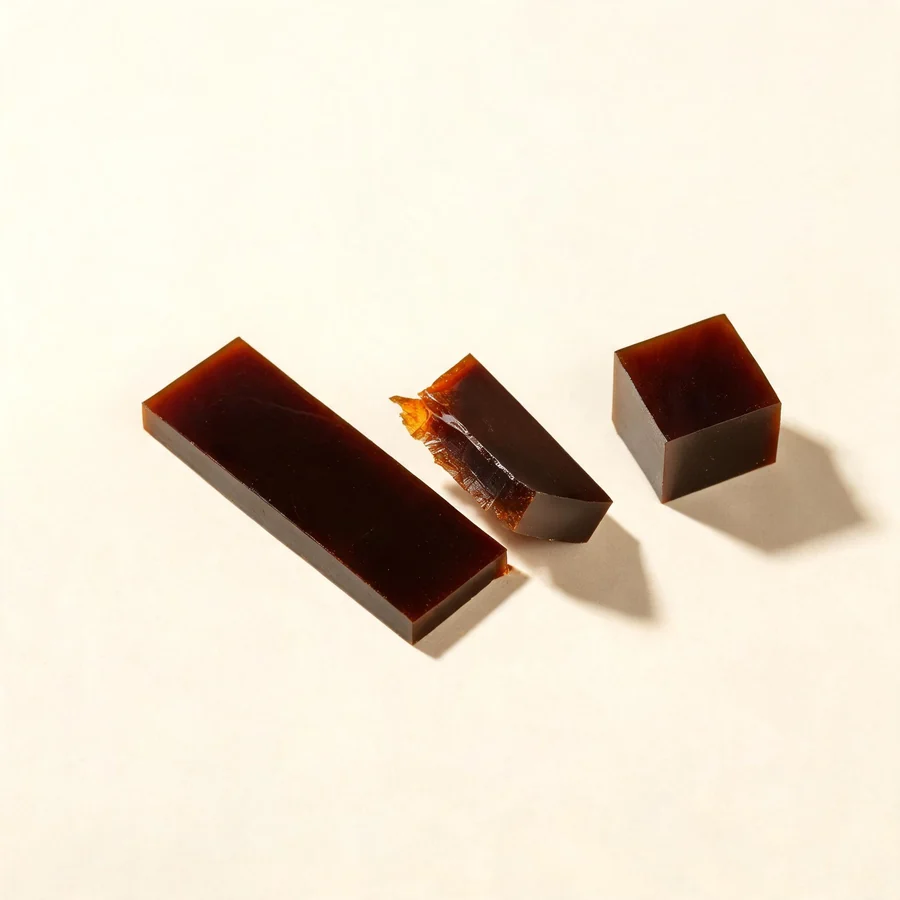
| How to take it | It is not boiled with the other herbs. Break it up, add it to the hot strained liquid and stir until dissolved, or take it as a prepared gel. Boiled with the herbs it sticks to the pot and is wasted. |
| Prepared beads | E Jiao Zhu, the puffed beads, are easier to digest and less cloying, and they suit a sensitive Stomach. The beads can be decocted with the other herbs, or powdered and taken in pills. |
| Course length | Four to six weeks with review. It is a rich tonic and not a thing to take indefinitely without checking digestion and the reason for taking it. |
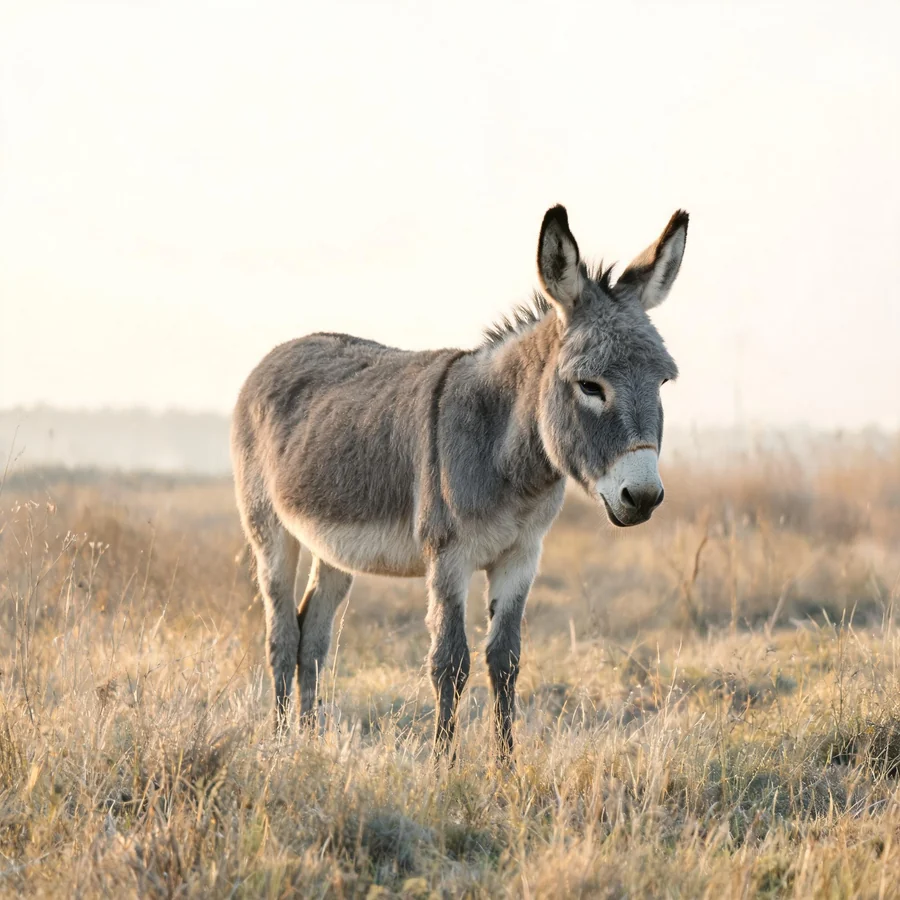
What decides the amount is the aim: a few grams moisten and build slowly, and ten or more are used when bleeding is being treated. Digestive weakness calls for a smaller amount, with Chen Pi or Sha Ren added to help it down. Because the material is animal-derived and expensive, the other practical variable is authenticity: a cheaper block may be another animal's hide or industrial gelatin, and the difference is not visible.
Citations and further reading
Only real sources are listed: the classical materia medica passages quoted above, and the source works behind the botanical and safety statements.
- Ben Cao Gang Mu (Compendium of Materia Medica), Li Shizhen, 1578 - classical entry quoted above.
- Tang Ye Ben Cao (Materia Medica of Decoctions) - classical entry quoted above.
- Asini Corii Colla monograph: Pharmacopoeia of the People's Republic of China - source for the accepted article, its preparation and its quality requirements.
- Modern evidence statement: based on published work on gelatin composition, species testing and blood recovery in animals; no clinical trial in skin disease is presented as proof of effect.
- Adulteration and species identification: literature on mass spectrometric detection of foreign gelatin in E Jiao, and on the trade in donkey hides.
- Historical sources on the shift from cow hide to donkey hide: materia medica commentary from the Tang to the Ming.
Educational reference for qualified practitioners. This page is not medical advice, and skin conditions should be diagnosed by a clinician before treatment.