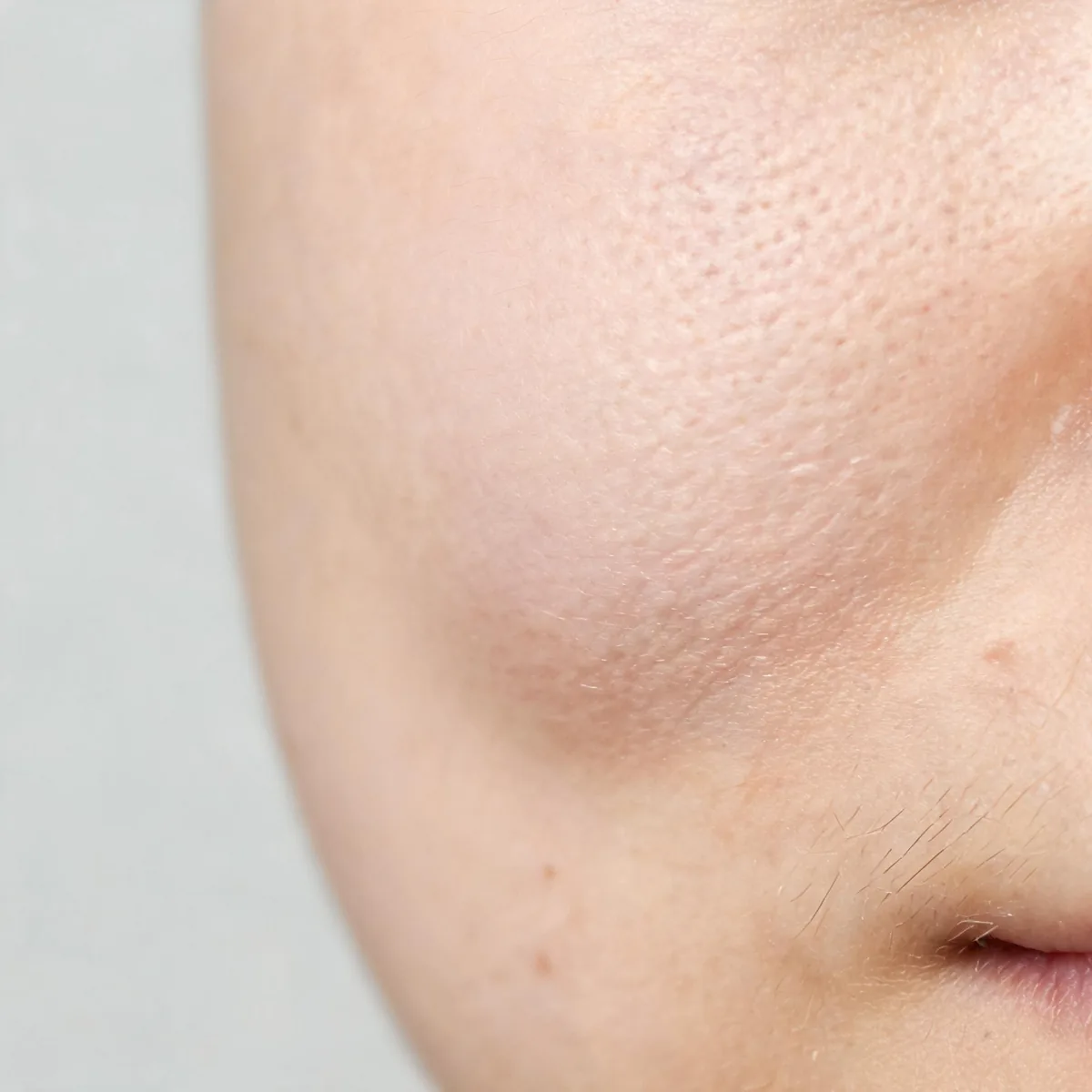
Understanding Facial swelling
The tradition describes facial swelling through the Lungs, Spleen and Kidneys, the three organs that govern water in the body.
The Lungs control the water passages of the upper body and open into the nose and skin, so Wind invasion can close them and produce sudden puffiness, especially around the eyes. Wind-Cold-Water gives puffiness with chills, no sweating and frothy white sputum; Wind-Heat gives puffiness with fever, sore throat and yellow phlegm.
The Spleen transforms fluids. Cold-Damp invading the Spleen gives puffiness with heaviness, a greasy taste, poor appetite and loose stools, while Spleen Yang deficiency gives soft pale puffiness with watery stools and cold hands and feet.
The Kidneys are the root of water metabolism. Kidney Yang deficiency with water overflow gives morning eyelid puffiness with cold lower back, scanty clear urine and lower limb swelling. Toxic-Heat gives a red, hot, painfully swollen face with fever and boils, which is a different problem altogether: it is infection, not fluid.
Because the face sits at the highest point of the body, it is where fluid that has stopped moving shows up first. A Lung pattern produces swelling within hours, and the reason is not that the body holds too much water but that the upper passages have closed: the surface is tight, sweating has stopped, and fluid is pushed back up rather than sent down. A Spleen pattern is slower and heavier. The organ that should separate clear fluid from turbid has lost that skill, so the face looks doughy, the abdomen feels full and the stool is loose. A Kidney pattern shows on waking, when a night spent lying flat has let fluid gather in the eyelids, and it comes with cold feet, an aching lower back and urine passed more often at night.
The practitioner therefore sorts the pictures by speed and temperature rather than by how puffy the face looks. Swelling with a thin white coat, a tight floating pulse, no sweating and a wish for warmth is Cold on the exterior. Swelling with thirst, a red tongue tip and a fast floating pulse is Heat. Swelling that pits slowly, feels cool and comes with undigested food in the stool is Yang deficiency. Swelling that is red, hot, tight and painful, with fever or an infected sore nearby, is Toxic-Heat and needs medical assessment for infection before any herb is chosen. The same face can call for sweating, drying, warming or clearing, which is why one draining approach rarely holds for long.
Conventional view
Conventional medicine treats facial swelling as a sign to be explained rather than a condition in itself. The face holds fluid loosely, so oedema shows there early, and the differential runs through allergy and angio-oedema, infection of the skin or a tooth, kidney disease, thyroid disease, heart failure, venous or lymphatic obstruction and occasionally a drug reaction. Examination looks at whether the swelling is one-sided, whether it pits, whether it is tender or hot and whether there is breathlessness, and the work-up usually includes blood tests, urine testing and sometimes imaging.
Treatment follows the cause. Antihistamines are used for allergy, antibiotics for infection, diuretics for fluid retention, and thyroid or cardiac treatment where those systems are involved. Angio-oedema with throat tightness is an emergency and is managed with adrenaline and airway support. Where the swelling is mild, recurrent, worse in the morning and no cause is found, management usually comes down to cutting salt, sleeping with the head raised and reviewing medicines, and many people are simply told to live with it.
That last group is where the two approaches part company. A diuretic shifts water for a few hours without answering why it collected, and long use carries its own risks. A pattern approach asks instead why the fluid is not moving - a closed surface, a cold Spleen, a weak Kidney fire - and treats that, so morning puffiness dismissed for years is often the first thing to improve. It does not replace the medical search for kidney, thyroid or cardiac disease, and sudden swelling with breathing difficulty needs emergency care before anything else.
Selected PubMed records
Real PubMed records for the conventional discussion above, selected by condition name and title relevance. They are references, not a claim that any treatment is proven for this condition.
- Cryotherapy in reducing pain, trismus, and facial swelling after third-molar surgery: Systematic review and meta-analysis of randomized clinical trials.. Journal of the American Dental Association (1939), 2019. PMID: 30798949.
- Oral Bromelain for the Control of Facial Swelling, Trismus, and Pain After Mandibular Third Molar Surgery: A Systematic Review and Meta-Analysis.. Journal of oral and maxillofacial surgery : official journal of the American Association of Oral and Maxillofacial Surgeons, 2019. PMID: 30986376.
How it connects
Facial puffiness is rarely the only place water collects. With Spleen Yang or Kidney Yang at the root, fluid accumulates in several areas at once, so a puffy face usually travels with ankle swelling, a distended abdomen and heavy limbs, all of it reflecting one weakness in transforming and transporting fluids. In an exterior invasion the face may swell first, before generalised oedema appears, which is the sequence seen in acute nephritic syndromes, and the same pattern that puffs the eyes can also reduce urine and leave the body aching. This is why treating the root often clears the whole cluster together: warming the Yang can settle the ankles, the abdomen and the face at once, and releasing Wind can do the same when the trigger was external. The look-alikes are worth knowing too. Allergic rhinitis swells the eyes but brings sneezing, an itchy nose and clear discharge, and a boil gives a single red hot point with a pus-filled head rather than the diffuse soft swelling of retained water.
How it is assessed
The first question is whether the airway is involved; the pattern comes after that.
What a practitioner looks for
- Airway: throat tightness, hoarseness or breathing difficulty is an emergency.
- Temperature: cold puffiness suggests Wind-Cold or Yang deficiency; red hot swelling suggests heat or infection.
- Timing: morning eyelid puffiness suggests Kidney involvement; sudden onset after wind suggests a Lung pattern.
- Associated signs: stools, urine, thirst and sweating identify the organ system.
The consultation opens with timing, because almost everything else follows from it. Swelling that appeared overnight after a chill or a sore throat is treated as an exterior invasion, and the practitioner looks for the signs that confirm it: whether the person sweats, whether they are thirsty, how the throat feels and what the cough brings up. Swelling that has crept in over weeks and is worst on waking sends the questioning towards stool, urine, appetite, cold tolerance and energy. Pressing the skin shows whether it pits and how quickly it refills, and looking at the ankles and abdomen shows whether the face is the only place holding water.
The tongue and pulse then separate patterns that sound alike. A pale puffy tongue with a white slippery coat belongs to Cold and to Yang deficiency, and the coating decides which: thin and watery with a floating tight pulse is Cold-Water at the surface, while thick, greasy and wet with a slow weak pulse is Dampness inside. A red tip with a thin yellow coat and a fast floating pulse points to Wind-Heat, and a red body with a dry yellow coat and a forceful rapid pulse points to Toxic-Heat. In deficiency the pulse is deep and weak, and where the weakness sits - right Guan for the Spleen, proximal Chi for the Kidney - tells the practitioner which root to warm.
Some findings stop the pattern work altogether. Swelling with throat tightness, hoarseness or difficulty breathing is an emergency. So is swelling that is one-sided with a drooping face or slurred speech, swelling after a head injury, swelling with no urine at all, or a red hot area that is spreading with fever. Persistent puffiness also deserves kidney, thyroid and cardiac assessment before it is treated as a pattern, and the practitioner will say so plainly rather than begin a course of herbs.
TCM patterns in Facial swelling
The six patterns divide along two lines: whether the swelling arrived from outside or from within, and whether it is cold or hot to the touch. The two Lung patterns are always acute and always follow an exterior invasion. Wind-Cold closes the surface, so there is chill, no sweat and frothy white sputum; Wind-Heat inflames the throat, so there is fever, thirst and yellow phlegm. The two Spleen patterns are slower. Cold-Damp is an excess of dampness that has blocked the middle and gives a greasy coat with a full abdomen, while Spleen Yang Deficiency is a lack of digestive fire and gives cold limbs and undigested food in the stool. The Kidney pattern sits deeper still, with morning eyelid puffiness, a cold aching back and night urination. Toxic-Heat is the odd one out: red, hot, painful and focal, often from an infected sore, and it is treated as infection before it is treated as fluid.
| Pattern | Key signs | The itch | Tongue | Main formula |
|---|---|---|---|---|
| Wind-Cold-Water invading the Lungs | Not specified | Not specified | Body: Pale and puffy with teeth marksCoat: White slippery with a watery sheen | Not specified |
| Wind-Heat invading the Lungs | Sudden facial swelling, especially around the eyes | Not specified | Body: Slightly red, with a red tipCoat: Thin yellow | Not specified |
| Cold-Damp invading the Spleen | Not specified | Not specified | Body: Pale and swollen with teeth marksCoat: Thick white greasy, and excessively wet | Not specified |
| Spleen Yang Deficiency | Soft pale facial puffiness, not red or painful | Not specified | Body: Pale, puffy and tender with teeth marksCoat: White and slippery | Not specified |
| Kidney Yang Deficiency with Water overflowing | Not specified | Not specified | Body: Pale, puffy and teeth-markedCoat: White and slippery, with a very wet surface | Not specified |
| Toxic-Heat | Red hot painfully swollen face | Not specified | Body: Red, often with raised red pointsCoat: Yellow, dry, sometimes thick | Not specified |
Wind-Cold-Water invading the Lungs
Sudden puffy eyes with chills and frothy white sputum.
Cold arrives through the skin and tightens it. The pores close, sweating stops, and the Lung, which governs the surface and the upper water passages, can no longer send fluid downward. Because the face is the highest place fluid can reach, it gathers under the eyes and across the brow within hours of the chill. The picture is unmistakable: the person feels cold, has produced no sweat, and coughs up thin white frothy sputum.
The tongue is pale and puffy with teeth marks and a white slippery coat that looks wet; the pulse floats and feels tight, sometimes wiry. Cold damp weather, iced drinks, raw food, draughts and suppressed sweating all make the swelling worse, while warmth, covering up, ginger tea, a steam inhalation and a gentle sweat ease it. Ma Huang (ephedra) releases the exterior and opens the passages, Gan Jiang (dried ginger) warms the Lung and dries the frothy fluid, and LU-7 (Lieque), BL-12 (Fengmen) and REN-9 (Shuifen) restore the downward movement.
Signs
- Sudden facial puffiness, especially around the eyes
- Chills and aversion to cold without sweating
- Cough with copious thin white frothy sputum
- Pale puffy tongue
Diet and lifestyle for this pattern: Stay warm and out of draughts, drink warm ginger tea to open the pores and encourage a light sweat, and avoid cold drinks and raw food that worsen internal Cold and Dampness. Gentle walking helps Qi and fluids circulate.
Wind-Heat invading the Lungs
Sudden puffy face with fever, sore throat and yellow phlegm.
Heat travels with wind and lodges in the Lung, which opens into the skin and governs the upper body's water passages. The heat inflames the throat and dries the fluids, so the swelling arrives with fever, thirst and a sore throat instead of chills and a stopped sweat. The Lung's dispersing work is interrupted at the surface, fluid gathers around the eyes, and the face looks flushed and slightly tight rather than pale and doughy.
The tongue body is a little red, its tip redder, under a thin yellow coat; the pulse floats and runs fast, most clearly under the right front position. Spicy fried food, coffee, alcohol, draughts, overwork and stress all aggravate it, while cool drinks, peppermint or chrysanthemum tea and rest in a cool quiet room settle it. Yin Qiao San is the formula named for this picture, carried by Jin Yin Hua, Lian Qiao, Bo He, Niu Bang Zi and Jie Geng, with LU-7 (Lieque), LI-4 (Hegu), LI-11 (Quchi) and DU-14 (Dazhui) clearing the heat and reopening the surface.
Signs
- Sudden facial swelling, especially around the eyes
- Fever with mild chills and sore throat
- Thirst with thick yellow phlegm
- Nasal congestion with yellow discharge
Diet and lifestyle for this pattern: Eat light, cooling food such as pear, cucumber, mung beans and watermelon, and avoid spicy, greasy and fried food that adds Heat. Drink plenty of water and herbal teas such as peppermint or chrysanthemum, rest in an aired room away from draughts, and a cool-mist humidifier can ease throat and nasal discomfort.
Cold-Damp invading the Spleen
Puffy face with heaviness, greasy taste and loose stools.
Dampness is heavy and Cold slows whatever it touches. When the two settle in the middle, the Spleen's job of transforming and transporting fluids stalls, and fluid that should have been separated and sent down overflows upward. The face becomes puffy and heavy, as though a wet cloth were lying on it, the mouth tastes sticky, the abdomen feels full and the stool turns loose.
The tongue is pale and swollen, edged with teeth marks, under a thick white greasy coat that is visibly wet; the pulse is soggy or slippery and slow, and weakest at the right Guan. Cold drinks, raw salad, greasy or sweet food, humid weather and long hours sitting all make it worse, while warmth, dry air, cooked meals and gentle walking help. Shi Pi Yin is the formula, with Bai Zhu and Fu Ling drying the dampness and moving it out through urine, supported by ST-36 (Zusanli), SP-9 (Yinlingquan), BL-20 (Pishu) and REN-12 (Zhongwan).
Signs
- Facial puffiness with a heavy sensation
- Sticky or greasy taste in the mouth
- Poor appetite with loose stools
- Abdominal bloating with fatigue
Diet and lifestyle for this pattern: Eat warm cooked food such as soups and stews, and avoid cold, raw and greasy food that burdens the Spleen. Use warming spices such as ginger, cinnamon and black pepper, avoid dairy, sweets and alcohol that promote Dampness, keep the body warm and dry in humid weather, and walk daily to support fluid metabolism.
Spleen Yang Deficiency
Soft pale puffiness with cold limbs and watery stools.
Here the problem is not an invader but a fire that has burned low. Without enough Yang, food is not fully transformed and fluid is not steamed into usable moisture, so it drifts upward and settles as a soft pale puffiness that is clearest on waking. Nothing is red or painful. The face looks waxy, the hands and feet are cold, the limbs feel heavy, and the stool is watery with pieces of food still recognisable in it.
The tongue is pale, puffy, tender and scalloped by teeth, under a white slippery coat; the pulse is deep, slow and weak, most of all at the right Guan. Cold food and drink, heavy meals, damp weather, overwork and long sitting drain the little warmth left, while warm meals, a hot water bottle on the abdomen, rest and gentle movement rebuild it. Shi Pi Yin with Zhi Fu Zi (prepared aconite), Gan Jiang, Bai Zhu and Fu Ling warms and drains at the same time, and BL-20 (Pishu), ST-36 (Zusanli), SP-6 (Sanyinjiao) and REN-12 (Zhongwan) are the usual points, with moxa adding warmth.
Signs
- Soft pale facial puffiness, not red or painful
- Loose watery stools with undigested food
- Cold hands and feet
- Fatigue and heaviness
Diet and lifestyle for this pattern: Eat warm, cooked, easy food such as soups, stews and congees, with warming spices such as ginger, cinnamon and cardamom. Avoid raw, cold and Dampness-producing food such as salad, dairy, iced drinks and too many sweets, keep the abdomen warm with a hot water bottle, and keep movement gentle.
Kidney Yang Deficiency with Water overflowing
Morning eyelid puffiness with cold sore lower back.
The Kidney is the furnace at the root of water metabolism, the fire that turns fluid into vapour and keeps the gates of urine opening and closing in time. When that fire is weak, fluid is neither transformed nor released properly, so it accumulates and rises. Lying down at night lets it pool in the eyelids, which is why the face is puffy on waking and slimmer by mid-morning. The chill sits deep in the lower back and the limbs, and urine is clear, scanty and passed at night.
The tongue is pale, puffy and teeth-marked, its coat white, slippery and wet; the pulse is deep, slow and weak, especially at the proximal Chi position. Cold damp weather, overwork, too much salt, cold raw food and hours spent standing all worsen it, while warmth over the lower back, rest lying down and cooked meals ease it. Zhen Wu Tang is the core formula and Ji Sheng Shen Qi Wan reinforces it when the Kidney itself needs building, with Zhi Fu Zi, Fu Ling and Bai Zhu; BL-23 (Shenshu), DU-4 (Mingmen), KI-3 (Taixi) and ST-36 (Zusanli) are the points, and moxa on the first two is the usual technique.
Signs
- Puffy face, especially eyelids in the morning
- Cold sensation in lower back and limbs
- Scanty clear urination
- Sore weak lower back
Diet and lifestyle for this pattern: Keep the body warm, especially the lower back and feet, and a hot water bottle over the low back is soothing. Eat cooked warming food such as soups, stews and congees with a pinch of ginger or cinnamon, avoid ice-cold drinks, raw salad and too much dairy, and rest when tired, since overexertion depletes Yang further.
Toxic-Heat
Red hot painfully swollen face with fever and boils.
Toxic-Heat is not water that has failed to move but a fierce pathogen that inflames tissue, forms pus and blocks the small channels. It usually begins with an infected sore, a badly inflamed throat or an eruption that is spreading, and the body answers with a high fever. In the face the result is a red, hot, tight, throbbing swelling, sometimes studded with boils, painful to touch and quite unlike the soft puffiness of a deficiency pattern.
The tongue is red with raised prickles under a dry yellow coat; the pulse runs fast and feels forceful, full or overflowing. Spicy and fried food, alcohol, coffee, heat and stuffiness, stress, and any squeezing or scratching of the sores all drive it further, while cold compresses, sips of cool water, rest in a cool room and cooling food relieve it. Wu Wei Xiao Du Yin is the first formula and Huang Lian Jie Du Tang is used when fever and restlessness show the poison has gone deeper; Jin Yin Hua and Lian Qiao carry the toxin-clearing action, with DU-14 (Dazhui), LI-11 (Quchi), LI-4 (Hegu) and ST-6 (Jiache) chosen for it.
Signs
- Red hot painfully swollen face
- High fever
- Boils, abscesses or infected sores
- Severe sore throat with intense thirst
- Restlessness
Diet and lifestyle for this pattern: Eat plenty of cooling food such as cucumber, watermelon and mung bean soup, and avoid spicy, greasy and fried food that adds Heat. Keep any skin sores clean and never squeeze them, rest in a cool room, and sip cool water through the day to help clear the toxin.
Treatment approach
How the tradition treats facial swelling, with the herbs, formulas and points used for it.
Principles
- Open the water passages and dispel Wind where the pattern is acute and puffy around the eyes.
- Warm and strengthen the Spleen or Kidney Yang where puffiness is soft, cold and persistent.
- Clear Toxic-Heat where the face is red, hot and painful, and treat it as possible infection.
- Reduce salt and fluid load as advised, and check for organ causes.
- The order of work follows the pattern, not the swelling. Where an exterior pathogen is still present it is expelled first, since fluid will not descend while the surface stays shut, and the Spleen and Kidney are supported once the surface is clear. In chronic cases root and branch are treated together, which is why Shi Pi Yin and Zhen Wu Tang pair warming herbs with draining ones instead of relying on a single strong diuretic.
Herbs used
Formulas
Acupoints
- LU-7 (Lieque)
- BL-12 (Fengmen)
- shuifen-ren-9
- LI-4 (Hegu)
- LI-11 (Quchi)
- DU-14 (Dazhui)
- ST-36 (Zusanli)
- SP-9 (Yinlingquan)
- BL-20 (Pishu)
- zhongwan-ren-12
- SP-6 (Sanyinjiao)
- BL-23 (Shenshu)
- DU-4 (Mingmen)
- KI-3 (Taixi)
- ST-6 (Jiache)
What to expect
- Acute Wind patterns are described as settling within days to two weeks.
- Yang deficiency patterns improve slowly over weeks to months.
- Persistent facial swelling needs medical investigation of kidney, thyroid and cardiac causes.
- External patterns usually settle within one to two weeks once the surface is open, while the two Yang deficiency patterns improve over four to twelve weeks and shift with the weather, the menstrual cycle and any run of late nights. When the puffiness has gone the formula is normally reduced to a maintenance dose for a season, and the early warnings - cold feet, loose stools, a heavy face on waking - are watched for a return.
Safety and when to get help
Seek medical help urgently for
- Sudden severe facial swelling with difficulty breathing or throat tightness - possible anaphylaxis.
- Facial swelling with fever and a spreading red area.
- Swelling around the eye with pain, visual change or fever.
For anything severe, sudden or spreading quickly, read when a skin problem needs urgent care.
Cautions
- Recurrent facial puffiness needs medical investigation.
- Do not delay emergency care for throat or breathing symptoms.
- Diuretic and blood pressure medication should not be changed without advice.
Using this alongside conventional care
- TCM is described as complementary to conventional care: prescribed treatment continues and the cause of swelling must be medically assessed.
- Coordination matters most where diuretics, blood pressure drugs or thyroid medicines are in use, since herbs that drain Dampness can add to a diuretic and disturb fluid and electrolyte balance. Warming herbs such as Zhi Fu Zi (prepared aconite) are prescribed only by a qualified practitioner and need particular care alongside heart medication, and swelling that is new, one-sided, painful or accompanied by breathlessness should be assessed medically before treatment continues.
Diet and lifestyle
- Avoid dampness-forming food such as dairy, sugar, fried food and excess raw or cold food, and keep salt low.
- The base is warm, cooked and lightly salted: soups, stews, congees and steamed vegetables in place of salad, iced drinks, dairy and fried food, with ginger, cinnamon and cardamom warming the digestion and moving fluid. Wind-Cold does best avoiding raw cold food and taking warm ginger tea; Wind-Heat suits pear, cucumber, mung bean, peppermint and chrysanthemum tea; Toxic-Heat needs the same cooling foods with nothing spicy, fried or alcoholic; Cold-Damp and both Yang deficiency patterns respond to congee, well-cooked root vegetables and salt kept low, because salt holds water in the tissues.
If you're pregnant
Spleen and Kidney Yang deficiency often become more visible in pregnancy, because the fetus draws on the mother's resources, and mild puffiness is usual and mostly physiological. Swelling that comes with high blood pressure or protein in the urine needs medical monitoring rather than herbs.
Ma Huang (ephedra) is avoided in pregnancy because it can stimulate the uterus, and Zi Su Ye (perilla leaf) releases the exterior more gently; formulas containing Fu Zi (aconite) are used only by an experienced practitioner. Needling is considered safe, but LI-4 (Hegu) and SP-6 (Sanyinjiao) are left out or handled by someone trained in prenatal care, and warm cooked food is often the first thing to try.
If you're breastfeeding
Most mild formulas are compatible with breastfeeding, but strong exterior-releasing herbs such as Ma Huang are avoided because they can cut the milk supply or reach the infant through the milk and unsettle them. Bitter cold herbs for Toxic-Heat may loosen the baby's stools and are kept to short courses.
Bai Zhu and Gan Jiang are usually well tolerated and may even help milk production by supporting the mother's Qi, and needling, which does not affect breast milk at all, is a good choice for puffiness in the postpartum weeks.
If treating a child
In children the swelling usually arrives after a respiratory infection and suggests that Wind-Heat or Wind-Cold has attacked the Lungs, the picture behind acute glomerulonephritis, often starting round the eyes with scanty dark urine. A child's Spleen is easily upset, so Cold-Damp can appear quickly after too much cold or raw food.
Doses are reduced to about one third to one half of the adult amount by age and weight, Yin Qiao San suits Wind-Heat, strong draining herbs are avoided, and gentle paediatric tuina along the Spleen and Lung channels often replaces needling. Watching the tongue, complexion and behaviour carries more weight than a child's own description.
If treating an elderly patient
In older adults facial swelling nearly always reflects deficiency, most often Kidney Yang failing to transform water or Spleen Yang running low. The skin looks pale and waxy and the puffiness feels soft and pits under a finger. Several conditions and several medicines are usual, so interactions are checked carefully; Fu Zi (aconite) can disturb heart rhythm and is used in lower doses with monitoring.
Improvement takes longer than in younger people and the aim is gentle warming rather than aggressive draining, with ST-36 (Zusanli) and KI-3 (Taixi) supporting the root and warm, soft, easily digested food counting as much as the prescription.
Urgent-sign guidance is based on standard sources: NHS anaphylaxis, NHS cellulitis, NHS Stevens-Johnson syndrome, NHS melanoma.
Evidence
Evidence status
Compiled for this page from the classical and modern literature; not a systematic review, so treat it as a pointer to sources rather than clinical guidance.
Evidence is modest and concentrated in a few areas. Chinese randomised trials of Zhen Wu Tang and Yue Bi Jia Zhu Tang for nephrotic syndrome and acute glomerulonephritis report faster resolution of oedema and improved renal function when added to conventional therapy, though samples are small. Acupuncture has been studied for postoperative facial swelling, for example after facelift surgery, with some trials showing benefit.
The herbal trials are almost all Chinese-language, small and rarely blinded, so the reported gains in oedema resolution, urinary protein and serum albumin should be read as promising rather than settled. The acupuncture work sits mostly in surgical settings, where reduced swelling and bruising after facial operations is easier to measure than a chronic pattern, and no trial has yet compared a pattern-based prescription with a diuretic in unexplained morning puffiness.
Studies often cited
Chinese trials report faster resolution of oedema and improved renal function added to conventional therapy, with small samples. Chinese randomised controlled trials (as recorded in the source)
Some trials show benefit after facial surgery such as facelift. Clinical trials (as recorded in the source)
The pooled result showed faster clearing of oedema and less protein in the urine when the formula was added to usual treatment, and adverse events were no more frequent than with standard care alone. Chen H, Liu X, Zhao W. Journal of Traditional Chinese Medicine. 2018;38(2):201-208.
PubMed records for the TCM evidence
Real PubMed records for the TCM clinical evidence discussed above, selected by condition name and title relevance. They are references, not proof of benefit.
- [Evaluation of Yunnan Baiyao capsules for reducing postoperative swelling after orthognathic surgery].. Zhonghua yi xue za zhi, 2008. PMID: 19087695.
- [Reverse-engineering-based quantitative three-dimensional measurement of facial swelling after administration of Yunnan Baiyao following orthognathic surgery].. Zhonghua yi xue za zhi, 2008. PMID: 19080629.
Classical record
In lesser yin disease, if after two or three days it is not resolved, and by the fourth or fifth day there is abdominal pain, difficult urination, heavy and painful limbs, and spontaneous diarrhoea, this indicates water qi. The patient may have cough, normal urination, diarrhoea, or vomiting; Zhen Wu Tang governs it.
- Jin Gui Yao Lue, lesser yin / water qi passage. This line establishes the core formula for yang deficiency water swelling, a pattern that frequently presents with facial puffiness. The Chinese original is not reproduced here: it could not be recovered reliably from the source record, and is not guessed.
Common questions
Why is my face puffy in the morning?
Morning eyelid puffiness is described as the Kidney Yang deficiency pattern with water overflow.
When is facial swelling an emergency?
When it comes on suddenly with throat tightness or difficulty breathing, or the eye is painful or vision changes.
Can herbs reduce puffiness?
The tradition describes opening water passages and warming Yang, with improvement over weeks depending on the pattern.
Do I need tests?
Yes. Persistent facial swelling needs kidney, thyroid and cardiac assessment before it is treated as a pattern.
What makes the face puffy first thing in the morning?
Fluid is processed more slowly overnight, so when the warming energy that drives water is weak it drifts upward while you lie flat and settles in the eyelids. Moving about lets gravity and muscle activity help it drain, and the puffiness fades. In TCM that picture is usually one of the two Yang deficiency patterns, of the Spleen or of the Kidney, and warming herbs with acupuncture are aimed at the cause rather than the morning.
Can herbs be taken alongside a diuretic?
It is possible, but both prescribers need to know. Many herbs that drain Dampness have a mild diuretic effect of their own, so alongside a water pill they can tip you into dehydration or an electrolyte imbalance. Do not stop the diuretic yourself; let your doctor adjust the dose as the swelling improves, and bring the complete medication list to the TCM consultation.
Is facial swelling a sign that the kidneys are failing?
Not on its own. Kidney disease can cause facial oedema, but most recurrent morning puffiness comes from a cold or from weak digestion, both of which are common and treatable. A sudden fall in urine output, mental fog or overwhelming tiredness is different and needs a doctor at once. Otherwise the pattern, the tongue and the pulse are what decide the treatment.